







Australie : Les jeunes contournent l'interdiction des réseaux sociaux
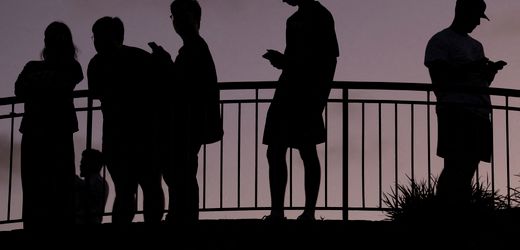
Une nouvelle étude montre que les jeunes en Australie trouvent des moyens de contourner l'interdiction des réseaux sociaux en vigueur depuis fin 2025.
Depuis fin 2025, la plupart des réseaux sociaux en Australie sont interdits aux enfants de moins de 16 ans. Cette mesure a été mise en place pour accroître la sécurité en ligne des jeunes et les protéger des dangers potentiels des réseaux sociaux. Cependant, une étude récente montre que de nombreux adolescents trouvent des moyens de contourner cette interdiction.
Stratégies de contournement des adolescents
L'étude, réalisée par un groupe de chercheurs de l'Université de Sydney, a révélé que de nombreux adolescents utilisent des méthodes alternatives pour accéder aux réseaux sociaux. Cela inclut l'utilisation de VPN (réseaux privés virtuels), la création de fausses déclarations d'âge et le partage de comptes avec des frères et sœurs ou des amis plus âgés. Ces stratégies leur permettent de contourner les restrictions d'âge et de rester actifs sur les réseaux sociaux.
Un autre aspect remarquable de l'étude est que de nombreux adolescents n'utilisent pas seulement les plateformes elles-mêmes, mais aussi le contenu qui y est partagé. Ils accèdent souvent à des contenus d'influenceurs et d'amis qu'ils partagent via d'autres canaux de communication comme des applications de messagerie ou des groupes privés. Cela montre que l'interdiction n'a pas l'effet escompté, car les adolescents continuent d'avoir accès aux contenus qui les intéressent.
Impact sur le bien-être
Les chercheurs ont également examiné les effets de l'interdiction des réseaux sociaux sur le bien-être mental des adolescents. Les résultats suggèrent que de nombreux adolescents exclus des réseaux sociaux se sentent isolés et exclus. Cela peut entraîner une augmentation de l'anxiété et de la dépression, car ils ont l'impression de perdre le contact avec leurs pairs.
De plus, de nombreux adolescents rapportent qu'ils se sentent contraints de cacher leurs activités en ligne, ce qui entraîne un sentiment d'insécurité et de méfiance. Cette dynamique pourrait avoir des répercussions à long terme sur la confiance des adolescents envers leurs parents et la société en général.
L'étude a également montré que les adolescents qui contournent l'interdiction courent souvent un risque plus élevé d'expériences négatives sur les réseaux sociaux. Cela inclut le cyberharcèlement, les contenus inappropriés et la pression de se comparer aux autres. Ces risques sont particulièrement préoccupants, car ils sapent les objectifs initiaux de l'interdiction.
Les résultats de l'étude ont été commentés par divers experts en psychologie de l'enfance et de l'adolescence. Beaucoup d'entre eux estiment qu'une interdiction à elle seule n'est pas suffisante pour garantir la sécurité des jeunes sur Internet. Au lieu de cela, ils plaident pour une stratégie plus globale qui inclut l'éducation, le contrôle parental et la promotion d'une utilisation responsable des réseaux sociaux.
Le gouvernement australien a jusqu'à présent réagi aux résultats de l'étude en annonçant un examen des politiques existantes. On s'attend à ce que le gouvernement prenne des mesures dans les mois à venir pour améliorer la sécurité des jeunes sur Internet, sans compromettre leur liberté et leur bien-être.
L'étude a également attiré l'attention internationale, car de nombreux pays envisagent ou ont déjà mis en œuvre des mesures similaires. Le débat sur le bon équilibre entre sécurité et liberté dans l'espace numérique devrait continuer à être un sujet central en politique et dans la société.
Ähnliche Artikel

Apple avertit contre les attaques de logiciels espions mercenaires
Apple a envoyé de nouvelles notifications 'Threat Notification' pour informer les utilisateurs des attaques de logiciels...

Cyberattaques 2026 : Systèmes de défense sous pression
Selon le Blue Report 2026 de Picus Labs, les cyberattaquants ont pris le dessus grâce à des tactiques discrètes....
Vulnérabilité de Zoom permet la prise de contrôle des ordinateurs
Une faille de sécurité dans l'outil d'annotation de Zoom pourrait permettre aux participants de prendre le contrôle des ...

Droits contre les enregistrements vidéo clandestins avec des lunettes intelligentes
Les lunettes intelligentes avec fonction caméra soulèvent des questions sur la protection des données et la vie privée. ...

comment Kommentare (0)
Noch keine Kommentare. Schreiben Sie den ersten!
Kommentar hinterlassen