





BlueNoroff uses phishing kits for malware attacks
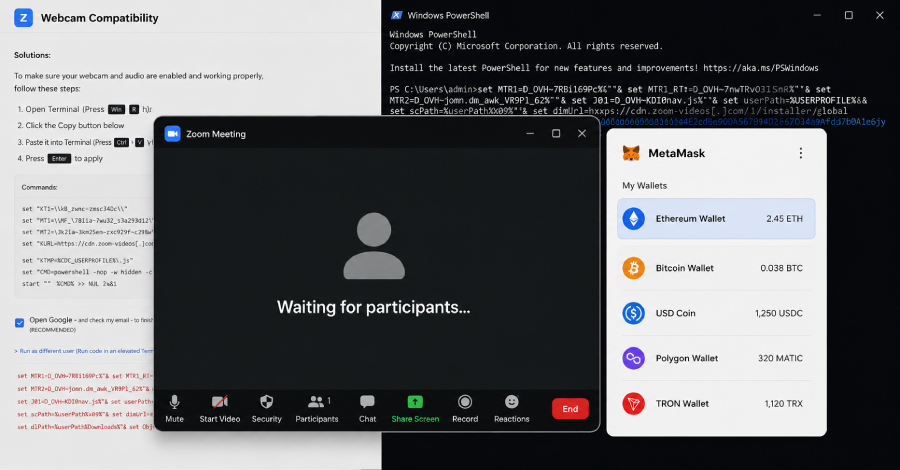
North Korean hackers use phishing kits to impersonate Zoom and Microsoft Teams to spread malware.
The North Korean threat actors of BlueNoroff have developed an active phishing kit that aims to impersonate the video conferencing platforms Zoom and Microsoft Teams. These campaigns, referred to as ClickFix-like, utilize fake domains to deceive unsuspecting users and spread malware. The attacks are part of a larger strategy aimed at compromising cryptocurrency wallets and stealing sensitive information.
BlueNoroff specializes in exploiting trust by combining compromised contacts from the industry with social engineering techniques. These methods allow the attackers to pose as trusted sources, thereby increasing the likelihood that their victims will fall for the phishing attempts. The use of fake domains is a proven means of enhancing the credibility of the attacks.
Techniques and Tactics of the Attackers
The phishing kits from BlueNoroff are designed to mimic the user interfaces of Zoom and Microsoft Teams. This is achieved through the use of typographical errors and similar domain names that can easily be overlooked. The attackers rely on the users' familiarity with these platforms to trick them into entering their login credentials or downloading malicious software.
Another aspect of the attacks is the targeted approach towards individuals in the cryptocurrency industry. BlueNoroff has specialized in identifying employees of companies operating in the blockchain and cryptocurrency sector. By targeting this audience, the attackers increase the likelihood of obtaining valuable information and access to digital wallets.
The campaigns of BlueNoroff are not limited to spreading malware. They also aim to undermine trust in established platforms and prompt users to reconsider their security practices. By posing as legitimate services, the attackers create an environment where it becomes difficult for users to distinguish between genuine and fake offerings.
Reactions and Security Measures
The security community has responded to the threats posed by BlueNoroff by focusing more on user education. Training programs and information campaigns are designed to raise awareness of phishing attacks and sensitize users. Companies are encouraged to review their security protocols and ensure that their employees are informed about the latest threats.
Additionally, some companies have begun implementing multi-layered authentication methods to protect access to sensitive information. These measures are intended to ensure that even if an attacker gains access to login credentials, additional security barriers exist to prevent access to critical systems.
However, the threat from BlueNoroff and similar groups persists. The attackers are constantly developing new tactics and techniques to achieve their goals. Therefore, it is essential for companies and individuals to remain vigilant and continuously stay informed about the latest developments in cybersecurity.
The activities of BlueNoroff are part of a larger trend where state-sponsored hacker groups increasingly resort to cybercrime to generate financial resources. These groups exploit the anonymity of the internet and weaknesses in security infrastructure to carry out their attacks.
Ähnliche Artikel

New Zero-Day Exploit for Windows Discovered
Security researchers have released another zero-day exploit for Windows that affects Windows Defender....

Zoom: Zero-click vulnerability enables code smuggling
IT researchers have discovered zero-click vulnerabilities in Zoom that allow malicious code to be injected into other us...

Fake Chrome VPN Extensions jeopardize user data
Over 737 fake VPN extensions in the Chrome Web Store redirect data through insecure proxies....

Digital Competencies: Companies See a Significant Need for Improvement
A recent TÜV study shows that 56 percent of companies in Germany see a significant need for improvement in digital skill...

comment Kommentare (0)
Noch keine Kommentare. Schreiben Sie den ersten!
Kommentar hinterlassen