
Boeing: Return of the US Aviation Giant
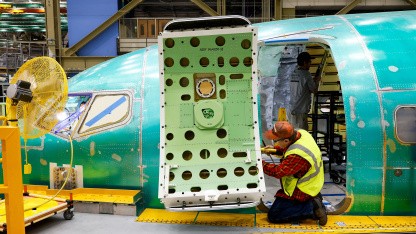
Boeing has regained trust after a crisis period and is now aiming for a profitable future.
The American aircraft manufacturer Boeing has undergone a remarkable transformation in recent years. After nearly a decade marked by scandals and technical failures, the company has now regained the trust of customers and investors. The return to stability is crucial for Boeing as it operates in a highly competitive market shaped by the recovery of the aviation industry after the pandemic.
The challenges Boeing faced began with the issues surrounding the 737 MAX, which led to two tragic crashes in 2018 and 2019. These incidents resulted in a worldwide grounding of the model and a massive loss of trust in the brand. In the following years, Boeing struggled not only with financial losses but also with a decline in production numbers and decreasing demand for new aircraft.
Rebuilding Trust
To regain trust, Boeing has taken comprehensive measures. These include improving safety standards, introducing new training programs for pilots, and closely collaborating with regulatory authorities. These steps have helped address safety concerns and rehabilitate the company's image. Boeing has also ramped up production of the 737 MAX and received initial positive feedback from airlines that have reintroduced the model into service.
Boeing's financial situation has also stabilized. In the first half of 2026, the company reported an increase in orders and an improvement in revenue forecasts. Analysts report a growing demand for new aircraft, particularly in emerging markets, where air travel continues to boom. Boeing has announced plans to increase production capacity to meet the rising demand.
Strategic Realignment
Another important aspect of Boeing's realignment is the focus on sustainable technologies. The company is investing in the development of more environmentally friendly aircraft and fuels to meet the growing demands for reducing CO2 emissions. Boeing has already formed partnerships with various companies and research institutions to develop innovative solutions aimed at reducing the ecological footprint of the aviation industry.
In addition to sustainability efforts, Boeing has also diversified its product range. Besides manufacturing commercial aircraft, the company is increasingly focusing on defense and aerospace. This strategic realignment aims to reduce dependence on commercial aviation and open up new revenue streams.
Boeing's return to the market is also supported by the recovery of the global aviation industry. After the massive downturns during the COVID-19 pandemic, bookings and passenger numbers are on the rise again. Airlines worldwide are investing in new aircraft to modernize their fleets and meet the increased travel demand. Boeing is benefiting from this trend and has already received several large orders from international airlines.
The coming months will be crucial for Boeing as the company continues to work on its strategy to tackle the industry's challenges. The return to profitability and ensuring long-term growth are at the forefront of the company's objectives. Boeing aims to return to profitability by the end of 2026 and bring production numbers to a level that meets market demands.
In 2026, Boeing has already achieved initial successes in regaining market share and plans to further expand its position as one of the leading aircraft manufacturers in the world.
Ähnliche Artikel

SMA Solar opens new Gigawatt Factory in Niestetal
SMA Solar has opened a new manufacturing facility in Niestetal, financed with 80 million euros. The Gigawatt Factory aim...

Greencore plans new data center in Kottingbrunn
Greencore is developing a 6.4 MW data center in Kottingbrunn near Vienna, supported by the Data Center Group....

Wardogs chief defends against crunch allegations
Joe Brammer, studio head of Bulkhead, responds to criticism of the work culture and denies allegations of mandatory crun...
Jako automates Client Management with UEM
Jako has automated its Client Management through Unified Endpoint Management and significantly increased the number of m...

comment Kommentare (0)
Noch keine Kommentare. Schreiben Sie den ersten!
Kommentar hinterlassen