
Chinese hackers use ARTEX AI for attacks

Chinese hackers have used the ARTEX AI framework for automated attacks on over 200 organizations in 14 countries.
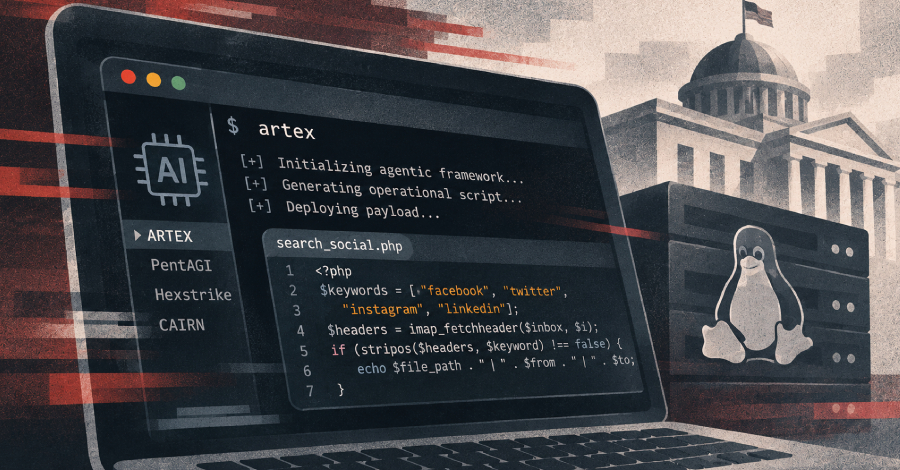
Chinese hackers have developed a new automated attack scheme based on the open-source framework ARTEX. This multi-agent system for penetration testing has been used in attacks on more than 200 organizations in 14 different countries. The attacks are part of a growing threat from cybercrime that increasingly uses complex technologies to bypass security measures.
ARTEX enables hackers to conduct automated tests that identify vulnerabilities in the IT systems of target organizations. This technology has proven to be particularly effective, as it can scan a large number of systems in a short time and find potential security gaps. The use of AI in cyberattacks represents a new dimension of threat that poses challenges to companies and governments worldwide.
Attack Targets and Impacts
The affected organizations come from various sectors, including healthcare, financial services, and critical infrastructure. The attacks have not only led to financial losses but have also shaken public trust in the security of data and systems. Experts warn that such attacks could have long-term effects on the affected companies, particularly regarding compliance with data protection regulations.
The attacks have been recorded in several countries, including the USA, the UK, Australia, and several European states. Security analysts have found that the attackers are specifically looking for vulnerabilities in the networks of the organizations to gain unauthorized access. This tactic allows them to steal sensitive data or sabotage systems.
The use of ARTEX in these attacks demonstrates how cybercriminals leverage modern technologies to achieve their goals. The automation of attacks enables hackers to work more efficiently and effectively, significantly shortening the response times of security forces. This poses a significant challenge for the cybersecurity industry, which must adapt to keep pace with these new threats.
Reactions from Security Authorities
In response to the attacks, security authorities in several countries have intensified their warnings to companies and organizations. They advise reviewing and updating security protocols as necessary to prepare against such automated attacks. Authorities emphasize the need to invest in cybersecurity solutions to increase resilience against such threats.
Additionally, some governments have initiated international collaborations to promote the exchange of information about cyber threats. This cooperation aims to improve responsiveness to cyberattacks and hold perpetrators accountable. The threat from Chinese hackers has heightened the urgency of such measures as the attacks become increasingly sophisticated.
The incidents have also led to an intensified discussion about the regulation of AI technologies. Experts are calling for guidelines to be developed to prevent the misuse of AI in cyberattacks. The challenge lies in finding a balance between promoting innovation and protecting against potential dangers.
The attacks using ARTEX are an example of the changing landscape of cybercrime, where traditional security measures may no longer be sufficient. The threat of automated attacks requires a rethinking of the cybersecurity strategy of companies and governments worldwide.
Ähnliche Artikel

Greece introduces social media ban for children
Greece plans a social media ban for those under 15, placing responsibility on parents and platforms....

Critical Security Vulnerability Discovered in CryptoPayment Gateway
A serious security vulnerability in the CryptoPayment Gateway WordPress plugin could jeopardize wallet data....

Cyberattacks on Supermarkets in Belgium and Sweden
After a cyberattack on France, supermarkets in Belgium and Sweden are now affected. Hackers are manipulating the cooling...
Cyberattacks on Government Linux Servers Discovered
A new cyber espionage campaign targets government Linux infrastructures. Palo Alto Networks has released details about t...
comment Kommentare (0)
Noch keine Kommentare. Schreiben Sie den ersten!
Kommentar hinterlassen