

Chinese laboratory cultivates living textiles from mushrooms
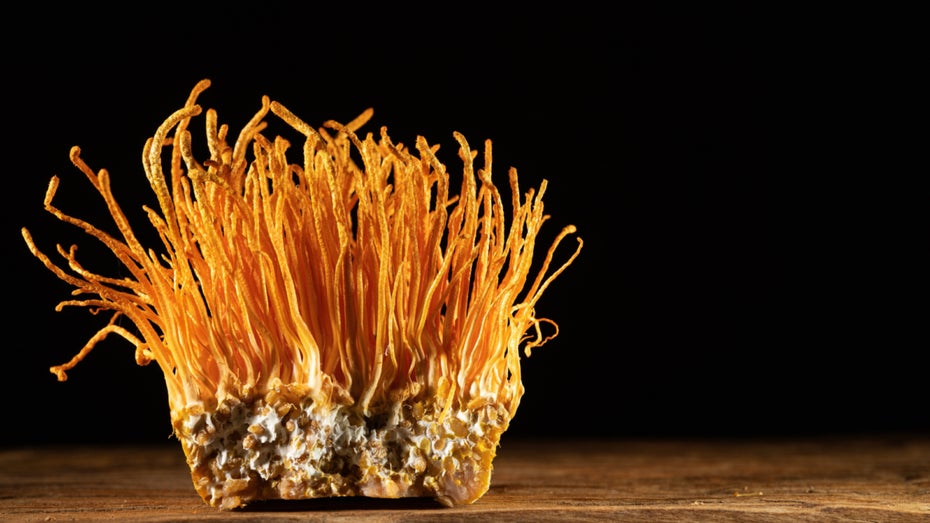
A new method for producing textiles from living mycelium could revolutionize the fashion industry.
A Chinese laboratory has developed a groundbreaking method to grow living textiles from mushrooms. These innovative fabrics are made from mycelium and offer a variety of advantages over conventional textiles. The living textiles are not only more environmentally friendly but also have the ability to self-repair, clean, and dye themselves.
Environmentally Friendly Textile Production
The production of textiles from mushrooms could represent a sustainable alternative to conventional textile production, which is often associated with high environmental burdens. Traditional textiles require large amounts of water, chemicals, and energy, while mushroom textiles can be grown in a closed biological system. This significantly reduces the ecological footprint.
The mushroom textiles are produced through the growth of mycelium, the root network of mushrooms. This mycelium can be grown in various shapes and textures, allowing for great flexibility in design. Researchers have found that mycelium is not only stable and durable but also biodegradable, making the disposal of textiles easier.
Self-Repairing Properties
A particularly remarkable aspect of these living textiles is their ability to self-repair. When the material is damaged, the mycelium can naturally grow and close the damaged areas. This could significantly extend the lifespan of garments and reduce the need for frequent replacements.
In addition to the self-repairing properties, the mushroom textiles can also be cleaned without the need for aggressive chemicals. The living fabrics can be cleaned through natural processes, such as exposure to water and light. This could further reduce the chemical burden on the environment from the textile industry.
Another advantage of mushroom textiles is the ability to dye them in various colors. The dyeing processes are more environmentally friendly than conventional methods, which often use toxic chemicals. Researchers have developed techniques to treat the textiles with natural dyes derived from plants or other biological sources.
The development of these living textiles could have far-reaching implications for the fashion industry. Designers and manufacturers could create new, sustainable collections that are not only aesthetically pleasing but also environmentally friendly and functional. The possibility of growing textiles instead of manufacturing them could revolutionize the entire production chain.
Currently, the project is still in the development phase, but the first prototypes have already generated significant interest. Researchers are working to optimize production methods and prepare the textiles for commercial use. The first applications could hit the market in the coming years.
The use of living textiles from mushrooms could not only change the fashion industry but also have a positive impact on the environment. Reducing water consumption, chemicals, and waste could represent a significant step towards a more sustainable future.
Ähnliche Artikel

IBM Achieves Breakthrough in Nuclear Fusion with Quantum Computers
IBM has demonstrated a significant proof of concept for nuclear fusion with a quantum-centric supercomputer....

Ukraine develops electric motorcycle for frontline use
Ukraine has developed a silent electric motorcycle for frontline use, equipped with a range extender....

Future of Data Storage: New Technologies in Focus
Innovative storage media are set to secure data archives for centuries. The podcast Bit-Rauschen highlights current deve...

Optimize Thermal Storage for Data Center Waste Heat
Thermal storage enables flexible use of waste heat from data centers and creates new opportunities for heating networks....

comment Kommentare (0)
Noch keine Kommentare. Schreiben Sie den ersten!
Kommentar hinterlassen