
Cyberattacks on Supermarkets in Europe are Increasing
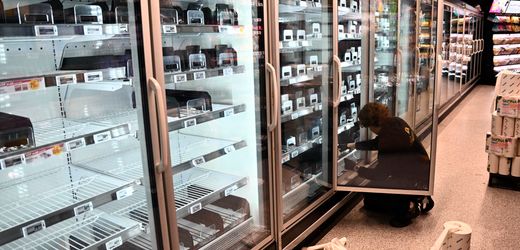
Belgium and Sweden are the latest targets of cyberattacks on supermarkets, following France's earlier incidents.
In recent days, Belgium and Sweden have been affected by cyberattacks on supermarkets, which were apparently conducted remotely. The attackers manipulated freezers, leading to a rise in temperatures in these devices. These incidents follow a similar attack on supermarkets in France that recently made headlines.
The cyberattacks not only impact the affected supermarkets but also the entire supply chain and food safety. The targeted manipulation of freezers could render perishable goods unusable, resulting in both financial losses for retailers and potential health risks for consumers.
Reactions from Authorities
The Belgian and Swedish authorities have already launched investigations to clarify the background of the attacks. Security agencies in both countries are working closely together to identify the attackers and prevent further attacks. Experts warn that such cyberattacks on the infrastructure of food services in Europe could increase.
In France, authorities quickly responded after the first incident and strengthened security measures. Supermarkets were instructed to review their systems and update security protocols to better prepare against future attacks. The incidents have also sparked discussions about the need for stronger cyber defense in the food industry.
Technological Background
The attacks exploit vulnerabilities in the digital control systems of freezers and other cooling devices. These systems are often connected to the internet, making them susceptible to external manipulation. Experts emphasize that many companies in the food industry are not adequately prepared for cyber threats, making them easy targets for attackers.
The attackers may have gained access to the networks of the supermarkets through phishing attacks or other methods. Once in the system, they can specifically control devices and alter their functions. The impacts of such attacks can be devastating, especially if they target a wide range of stores.
The incidents in Belgium and Sweden are part of a worrying trend that has been observed in recent years. Cyberattacks on critical infrastructures, including food supply, have increased. The security situation in the digital world remains tense, and companies are challenged to strengthen their security measures.
The European Union has already taken steps to improve cyber defense in various sectors. Initiatives to promote cybersecurity in the food industry are underway to enhance resilience against such attacks. Cooperation between member states is seen as crucial to combat the threats.
The incidents in Belgium and Sweden highlight the urgency with which companies and governments must respond to the growing cyber threats. The security of the food supply is central to public health and consumer trust. Authorities face the challenge of developing effective strategies to prevent future attacks.
Ähnliche Artikel
Google warns of LLMjacking attacks
Google warns of LLMjacking, which can cost companies up to 1 million dollars....

Barracuda warns of critical security vulnerabilities
Barracuda Networks has warned of two critical vulnerabilities that could allow attackers root access to devices....

Cyberattack on Cooling Systems in European Supermarkets
A cyberattack has disrupted cooling systems in supermarkets across Europe, leading to significant issues....

Chinese hackers use ARTEX AI for attacks
Chinese hackers have used the ARTEX AI framework for automated attacks on over 200 organizations in 14 countries....
comment Kommentare (0)
Noch keine Kommentare. Schreiben Sie den ersten!
Kommentar hinterlassen