



German-Italian team develops magnetic wall for astronauts
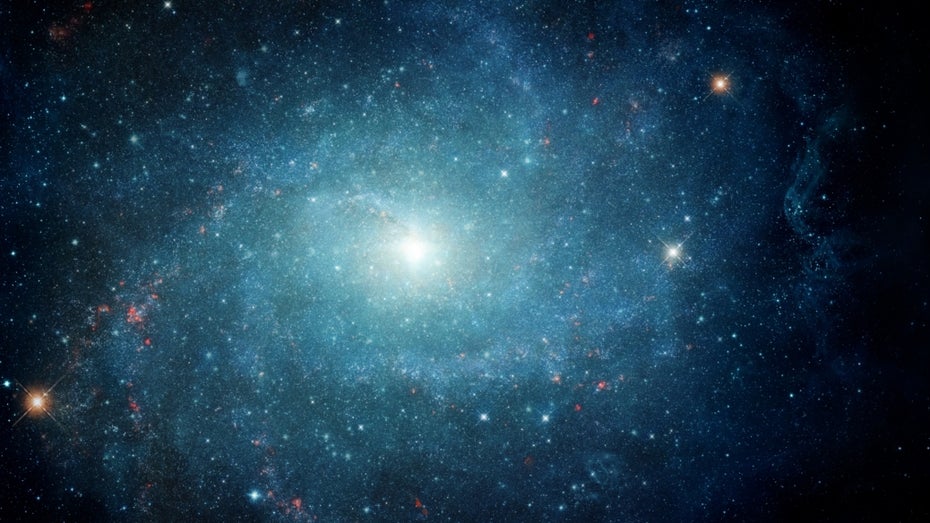
Scientists from Germany and Italy have developed a magnetic wall designed to protect astronauts from harmful radiation.
Scientists from Germany and Italy have developed an innovative solution for radiation protection technology for astronauts. Their latest project, a 300-kilogram magnetic wall, could significantly contribute to increasing the safety of astronauts during their missions in space. This development is particularly relevant as radiation exposure in space poses a serious risk to the health of space travelers.
The magnetic wall uses a strong magnetic field to deflect ionizing radiation from solar storms and cosmic radiation. This type of radiation can lead to health problems such as cancer and other serious illnesses. The researchers aim to create an effective barrier that protects astronauts during longer stays in space.
Technical Details and Functionality
The magnetic wall consists of special materials capable of generating a strong magnetic field. This field acts like a shield that deflects harmful radiation, thereby minimizing the exposure of astronauts. The design of the wall is intended to be both lightweight and robust to meet the demands of space missions.
The researchers have conducted extensive tests to verify the effectiveness of the magnetic wall. Initial results show that the magnetic field is capable of deflecting a significant portion of the radiation. This could reduce the need for additional protective measures during missions and enhance the safety of astronauts.
Another advantage of the magnetic wall is its flexibility. It can be deployed in various configurations depending on the specific requirements of each mission. This allows for adaptation to different spacecraft and mission types, significantly expanding its application possibilities.
Cooperation Between Germany and Italy
The development of the magnetic wall is the result of close collaboration between German and Italian research institutions. This international cooperation has enabled the scientists to pool their expertise and develop innovative solutions. The collaboration is an example of the global approach in space research necessary to tackle the challenges of manned spaceflight.
The researchers are optimistic that their work will not only improve the safety of astronauts but also open up new possibilities for future missions. The magnetic wall could represent a key technology for long-duration missions to Mars and beyond, where protection from radiation is crucial.
The magnetic wall is currently being further developed and is expected to be tested in real space missions in the coming years. The scientists are working to optimize the technology and prepare the wall for use in space. Initial tests in space could take place within the next five years.
The development of this technology is a significant step in space research and could help address the challenges of manned spaceflight. The magnetic wall represents a promising solution to protect astronauts from the dangers of radiation.
Ähnliche Artikel

New Zero-Day Exploit for Windows Discovered
Security researchers have released another zero-day exploit for Windows that affects Windows Defender....

Zoom: Zero-click vulnerability enables code smuggling
IT researchers have discovered zero-click vulnerabilities in Zoom that allow malicious code to be injected into other us...

Fake Chrome VPN Extensions jeopardize user data
Over 737 fake VPN extensions in the Chrome Web Store redirect data through insecure proxies....

Digital Competencies: Companies See a Significant Need for Improvement
A recent TÜV study shows that 56 percent of companies in Germany see a significant need for improvement in digital skill...

comment Kommentare (0)
Noch keine Kommentare. Schreiben Sie den ersten!
Kommentar hinterlassen