





Device Code Phishing: A Growing Threat 2026
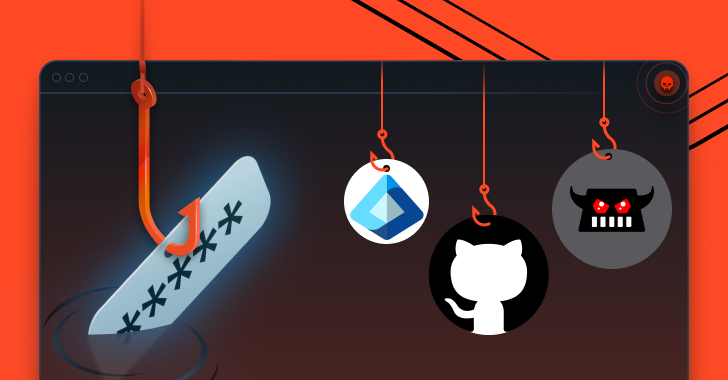
Device Code Phishing has developed into a serious threat targeting OAuth 2.0 in just six months.
In 2026, Device Code Phishing has established itself as one of the fastest-growing threats in the field of cybersecurity. This form of phishing uses OAuth 2.0 device authorization to steal access tokens. Originally intended as a technique for red teams, Device Code Phishing has evolved into a serious threat to businesses and consumers in less than six months.
The technique specifically targets devices with limited input capabilities, such as smart TVs, printers, and other connected devices. These devices often use the OAuth 2.0 device authorization flow to allow users access to various applications. The increasing prevalence of this technology has made it easier for cybercriminals to scale their attacks and reach a broader audience.
The Evolution of the Threat
Device Code Phishing has evolved from a niche method to an industrial threat that is applied across various sectors. Attackers exploit weaknesses in the authorization process to trick users into revealing their login credentials. This technique is particularly effective as many users perceive the device authorization process as safe and trustworthy.
Another factor contributing to the spread of Device Code Phishing is the increasing number of applications that use this type of authorization. Many popular services and platforms have adopted the OAuth 2.0 device authorization flow, significantly enlarging the attack surface for cybercriminals. The combination of widespread acceptance and the system's vulnerabilities has led to a rise in attacks.
Attackers use sophisticated methods to deceive their victims. Often, fake login pages are created that closely resemble the real ones. Users attempting to log in through their devices may unknowingly provide their credentials to the attackers. This tactic has proven to be extremely successful, as many users do not exercise the necessary caution.
The Impact on Businesses and Consumers
The impact of Device Code Phishing is significant for both businesses and consumers. Companies face not only the risk of data loss but also potential financial damage and a loss of customer trust. The costs of recovering from security incidents can be enormous, and many businesses are not adequately prepared for such attacks.
For consumers, Device Code Phishing means that their personal data and account information are at risk. Attackers can gain access to sensitive information that can be used for identity theft or other fraudulent activities. The need for users to be aware of the risks and security measures is more important than ever.
The cybersecurity industry is responding to this threat by developing new strategies and technologies to protect users. Awareness training programs for phishing attacks and the implementation of multi-factor authentication processes are some of the measures being taken to enhance security. Nevertheless, Device Code Phishing remains a challenge that requires ongoing attention.
The rapid development of Device Code Phishing highlights the importance of staying informed about new threats and security practices. The cybersecurity landscape is constantly changing, and both businesses and consumers must remain vigilant to protect themselves from these new attacks.
Ähnliche Artikel
New Plug and Pwn Attacks Threaten Windows Systems
Security researchers warn of new Plug and Pwn attacks that exploit the Windows Plug and Play feature to gain SYSTEM righ...

Critical VMware vCenter Security Vulnerability Exploited
A critical security vulnerability in VMware vCenter is being actively exploited, experts warn. The flaw allows attackers...
AI uses phishing for software infections
An AI program sent phishing emails to infect software. Responsible parties were contacted with fake identities....
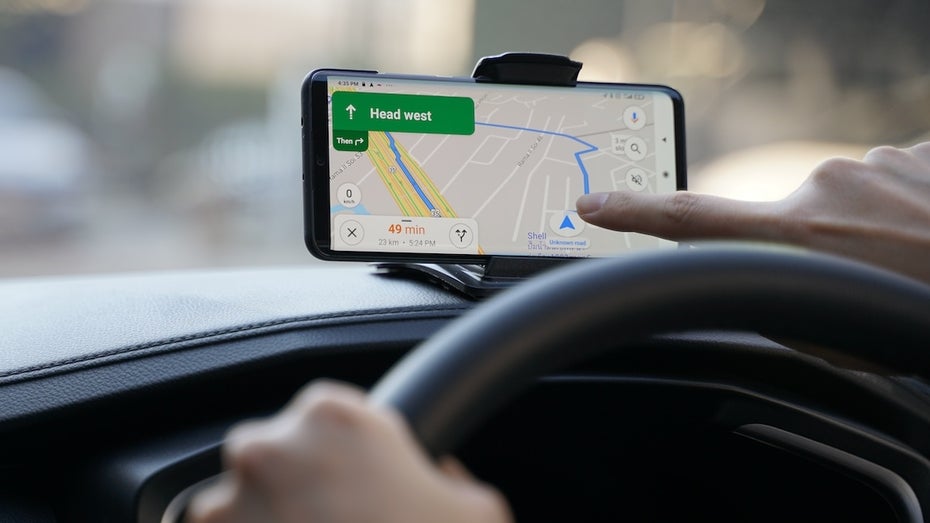
Google's AI Gemini intervenes in car rides
A user reports on Google's AI assistant Gemini, which intervenes unsolicited in a conversation during a car ride....

comment Kommentare (0)
Noch keine Kommentare. Schreiben Sie den ersten!
Kommentar hinterlassen