
Doomsday Spotify: Song Printed on Paper
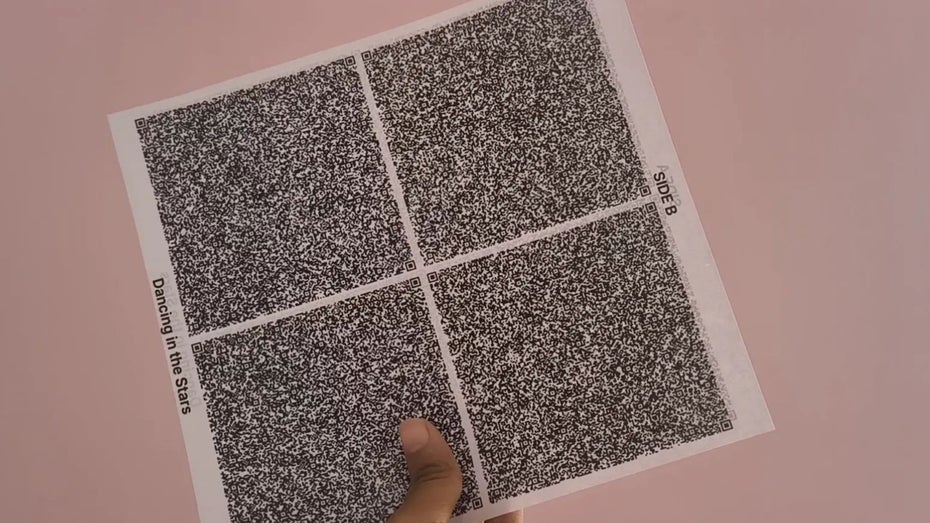
Makestreme has printed an entire song on a sheet of paper by heavily compressing an MP3 and converting it into QR codes.
In a remarkable technical innovation, the developer Makestreme has printed an entire song on a single sheet of paper. This novel method uses neural networks to compress an MP3 file so much that it fits into multiple QR codes. This allows users to listen to the song without internet access, which could revolutionize the way music is consumed.
The idea behind "Doomsday Spotify" is to store music in a form that is independent of digital devices and internet connections. By using QR codes, users can simply use their smartphone or another QR code-enabled device to play the music. This could be particularly significant in regions where internet access is limited or unavailable.
Technology Behind the Innovation
The technology behind this innovation is based on advanced algorithms capable of compressing audio data extremely. Neural networks analyze the MP3 file and identify patterns that allow the file to be reduced to a minimum without significantly impairing sound quality. This technique could also find applications in other areas of data transmission where storage space and bandwidth are critical.
The use of QR codes to store music is not new; however, the idea of printing an entire song on a single sheet of paper is a novel approach. Users can simply scan the sheet to gain instant access to the music. This could be an interesting solution for concerts or festivals, where physical media are often preferred for sharing music.
Makestreme has already conducted initial tests with this technology and received positive feedback from users. The ability to store music in a physical form could also evoke nostalgic feelings in older generations who grew up with physical media. The combination of modern technology and traditional media could bridge the gap between generations.
Impact on the Music Industry
The introduction of this technology could have far-reaching effects on the music industry. Artists and labels could find new ways to distribute their music, especially in markets where digital downloads and streaming services are not the primary source of music distribution. The ability to offer music in physical form could also boost sales of merchandise and physical albums.
Furthermore, the technology could also be used for marketing music. QR codes could be placed on posters, flyers, or merchandise items to facilitate access to new songs or albums. This could be an innovative way to promote interaction between artists and fans while simultaneously increasing the reach of the music.
The development of "Doomsday Spotify" demonstrates how technology and creativity can go hand in hand to find new solutions to existing challenges. The ability to store music on a sheet of paper could not only change the way we consume music but also the way we think about and experience music.
Makestreme plans to further develop this technology and possibly add more features in the future that could enhance the listening experience. The reactions to the first prototypes are promising, and it remains to be seen how this innovation will establish itself in the broader music landscape.
Ähnliche Artikel

Nvidia CEO presents AI future at GTC in Berlin
Jensen Huang showcases innovative technologies for data centers at GTC in Berlin and discusses the future of AI in Europ...

OpenAI increases usage limits for ChatGPT Pro plans
OpenAI has not lowered the usage limits for ChatGPT Pro plans in response to criticism and promises to keep Dots usage i...
AI in Recruiting: Transparency Remains an Issue
More and more companies are using AI in recruiting, but transparency towards applicants is often insufficient....

New dwarf planet discovered beyond Pluto
An algorithm has identified a possible new dwarf planet beyond Pluto, based on data from the Vera C. Rubin Observatory....
comment Kommentare (0)
Noch keine Kommentare. Schreiben Sie den ersten!
Kommentar hinterlassen