











Electric cars reach price parity with combustion engines
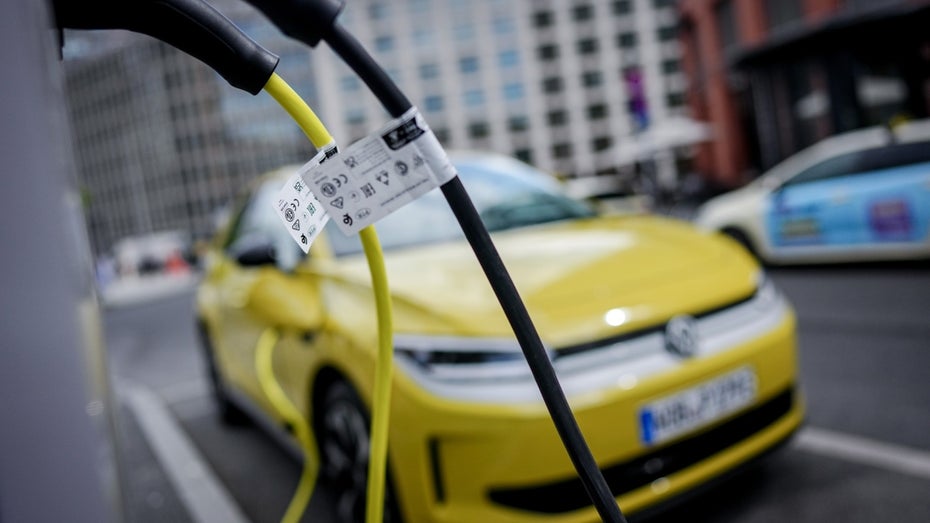
A new study from the Fraunhofer Institute shows that electric cars will become cheaper than combustion engines in the near future.
A current study by the Fraunhofer Institute in collaboration with the International Council on Clean Transportation (ICCT) predicts that electric cars will reach price parity with conventional combustion vehicles in the coming years. The analysis takes into account inflation-adjusted prices and shows a significant shift in the market. Experts expect this trend to continue and that the costs for electric vehicles will further decrease.
Price Development of Electric Cars
The study highlights that production costs for electric cars have been significantly reduced in recent years. Technological advancements in battery technology and increasing automation in production contribute to lowering prices. These developments could make electric cars more attractive to consumers in the coming years.
Another factor contributing to price reduction is the rising demand for electric vehicles. More and more consumers are opting for environmentally friendly alternatives, which forces manufacturers to increase their production capacities while simultaneously lowering costs. This dynamic could accelerate price parity between electric cars and combustion vehicles.
The study also shows that government subsidies and incentives for purchasing electric vehicles play a crucial role. Many countries have introduced programs that financially support the acquisition of electric cars. These measures could lead to further decreases in prices for electric vehicles, while costs for combustion vehicles remain stable or even rise.
Market Analysis and Forecasts
The market analyses from the Fraunhofer Institute and ICCT suggest that price parity between electric cars and combustion vehicles could be achieved by 2030 at the latest. This assessment is based on current trends in the automotive industry as well as expected developments in battery technology. Researchers believe that prices for lithium-ion batteries, which are a key component of electric cars, will continue to fall.
Another aspect of the study is the consideration of the lifecycle costs of vehicles. Electric cars could not only become cheaper to purchase but also in terms of operating costs and maintenance. The lower costs for electricity compared to gasoline or diesel, as well as the reduced number of moving parts in electric vehicles, could further lower overall operating costs.
The study concludes with the observation that the automotive industry is facing a fundamental transformation. Manufacturers that invest early in electric vehicles could gain a competitive advantage. Forecasts indicate that the demand for electric cars will continue to rise in the coming years, which could further influence price development.
The results of the study are an important indicator for both consumers and manufacturers. They show that the time for switching to electric vehicles is ripe and that the economic conditions are becoming increasingly favorable. Developments in the automotive industry could thus bring not only ecological but also economic benefits.
Ähnliche Artikel

Ukraine develops electric motorcycle for frontline use
Ukraine has developed a silent electric motorcycle for frontline use, equipped with a range extender....

Future of Data Storage: New Technologies in Focus
Innovative storage media are set to secure data archives for centuries. The podcast Bit-Rauschen highlights current deve...

Optimize Thermal Storage for Data Center Waste Heat
Thermal storage enables flexible use of waste heat from data centers and creates new opportunities for heating networks....

Windows 11 Weather App Slows Down PCs
The Weather App in Windows 11 could impair the performance of PCs as it consumes a lot of memory, even when idle....

comment Kommentare (0)
Noch keine Kommentare. Schreiben Sie den ersten!
Kommentar hinterlassen