



Decision vacuum among coax network operators hinders progress

Klaus Müller, CEO of Jultec, criticizes the decision vacuum among German coax network operators that is hindering the introduction of multi-Gigabit technologies.
The Managing Director of Jultec, Klaus Müller, recently sharply criticized the situation of German coaxial network operators. He sees significant potential in the new technology Docsis 4.0, which could enable a substantial increase in internet speed. However, the operators are leaving large bandwidth reserves unused with their existing technology, hindering the development and introduction of multi-Gbit connections.
Müller emphasizes that decision-makers in the industry often operate in a vacuum, leading to delays in the implementation of new technologies. This uncertainty prevents operators from making the necessary investments in the infrastructure required to utilize the full capacities of Docsis 4.0. The current situation could result in Germany falling behind in international comparisons when it comes to providing high-speed internet.
Technological Opportunities of Docsis 4.0
Docsis 4.0 is the latest version of the Data Over Cable Service Interface Specification, enabling a significant increase in data transmission rates. With this technology, speeds of several gigabits per second could be achieved, which is crucial for many applications, such as streaming and online gaming. Müller highlights that the technical prerequisites for utilizing these speeds are already in place but are not being sufficiently utilized.
The existing coaxial networks could benefit significantly from an upgrade to Docsis 4.0. However, many operators have not yet taken the necessary steps to implement this technology. Instead, they continue to rely on outdated systems that do not fully exploit the available bandwidth. This results in many customers not receiving the internet speeds they expect or need.
Market Conditions and Challenges
The market conditions for coaxial network operators are currently characterized by uncertainty. Müller points out that operators often hesitate to invest in new technologies because they are unsure whether these investments will pay off. This reluctance can be described as a decision vacuum affecting the entire industry. The uncertainty about future developments and competition from alternative technologies like fiber optics exacerbate this issue.
Another factor hindering the adoption of Docsis 4.0 is market fragmentation. Many small and medium-sized providers are competing with large telecommunications companies that have more resources. These competitive conditions can lead to smaller providers being unable to make the necessary investments to keep pace with the larger companies.
The challenges facing coaxial network operators are therefore diverse. In addition to uncertainty about the profitability of new technologies, they must also keep an eye on competition from other providers. These factors contribute to the stagnation of the introduction of multi-Gbit connections in Germany.
The discussion about the future of the internet in Germany is further fueled by Klaus Müller's statements. He urges operators to take the opportunities that Docsis 4.0 offers seriously and to act actively. Time is of the essence, as the demand for faster internet connections is steadily increasing, and customers are increasingly turning to alternative providers that have already invested in modern technologies.
Currently, there are a variety of coaxial network operators in Germany offering different speeds and services. However, the introduction of Docsis 4.0 could represent a turning point if operators are willing to take the necessary steps to implement this technology.
Ähnliche Artikel

Microsoft Office 2019 Professional Plus: Versatile in Everyday Office Life
From offers and spreadsheets to presentations: Discover how the applications of Office 2019 Professional Plus support yo...

WoW Forever: Return of Class Quests Announced
In WoW Forever, epic class quests are returning, inspired by the "Season of Discoveries." Initial hints can already be f...
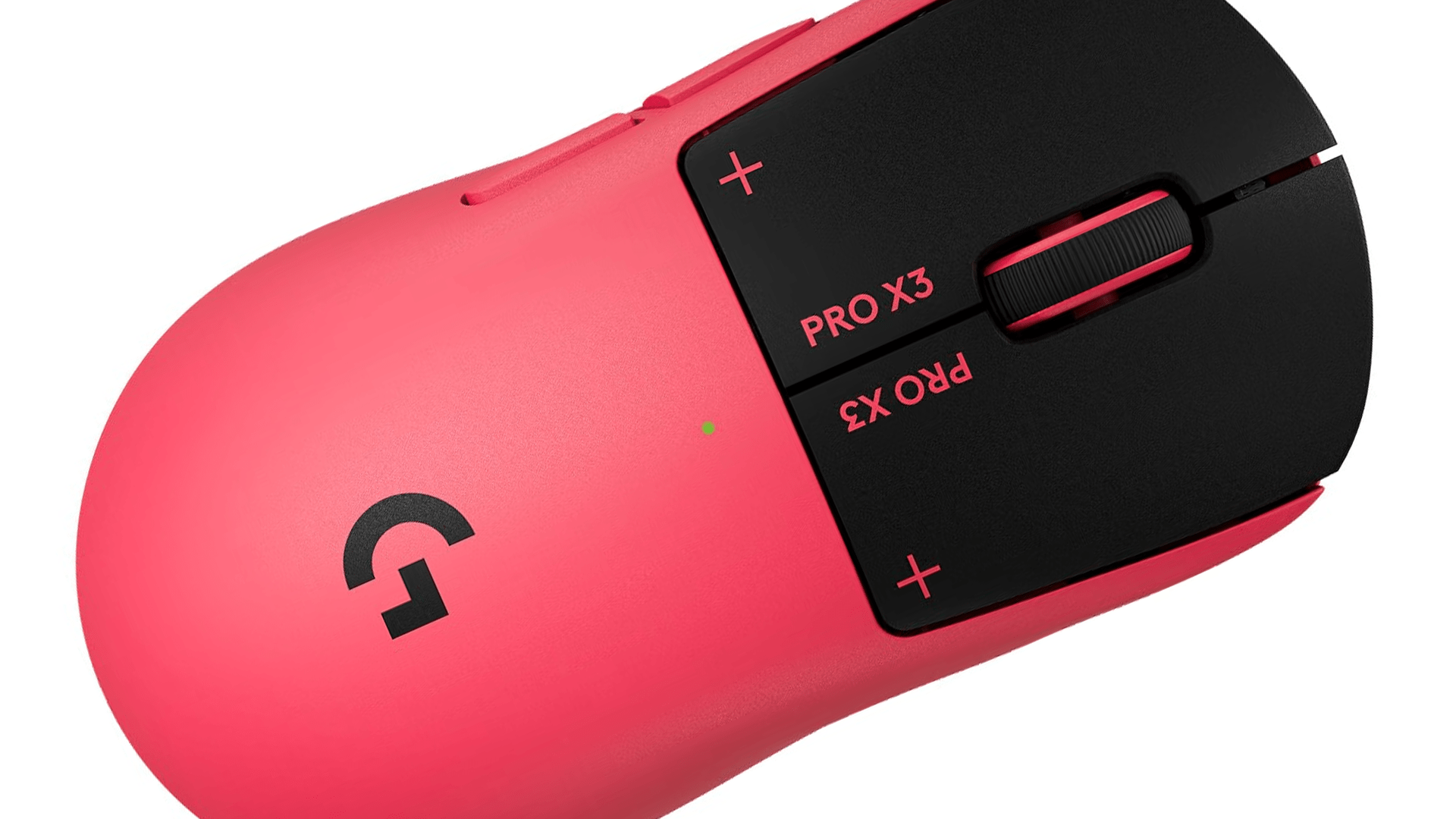
Logitech ships unreleased gaming mouse
A customer accidentally received the yet-to-be-announced gaming mouse X3 Superstrike from Logitech....
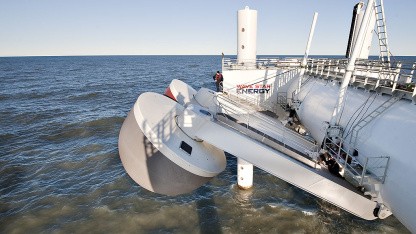
Innovative Buoys for Wave Energy Utilization from Augsburg
A start-up from Augsburg has developed a novel buoy technology that can convert nearly all the energy from waves....

comment Kommentare (0)
Noch keine Kommentare. Schreiben Sie den ersten!
Kommentar hinterlassen