




EU plans satellite brake for cars by 2030
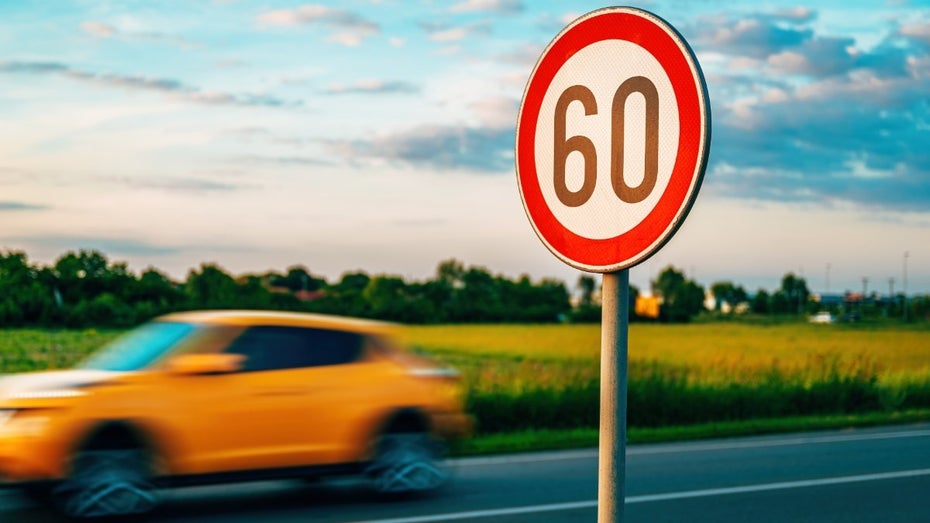
The EU is pursuing a plan to introduce satellite technology in vehicles to prevent speeding.
The European Union has presented an ambitious plan that could significantly increase road safety. Starting in 2030, new vehicles will be equipped with a satellite brake that allows them to automatically adhere to speed limits. This technology could help drastically reduce the number of traffic accidents and speeding violations.
The idea behind the satellite brake is that vehicles receive real-time information about applicable speed limits through GPS data. This data is then used to automatically regulate the vehicle's speed. As a result, speeders and speeding violations could become a thing of the past, greatly improving traffic safety.
Criticism of the Proposed Regulation
Despite the potential benefits, the proposal faces significant criticism. Opponents argue that the introduction of such technologies could restrict drivers' freedom. Many people fear that their decision-making freedom will be limited if their vehicles automatically regulate speed.
Another point of criticism is the technical implementation of the satellite brake. Critics point out that reliance on satellite data could be problematic in urban areas, where tall buildings and other obstacles can disrupt GPS signals. This could lead to the technology not always functioning reliably and potentially creating dangerous situations.
However, the EU has emphasized that the safety of road users is the top priority. The Commission plans to develop the technology in close collaboration with automobile manufacturers and technology companies to ensure that it is both effective and reliable. The introduction of the satellite brake could also be combined with other safety measures to create a more comprehensive concept for improving traffic safety.
Impact on the Automotive Industry
The automotive industry faces a significant challenge as it must adapt to the new requirements of the EU. Manufacturers will be forced to equip their vehicles with the necessary technology to comply with the new regulations. This could lead to higher production costs, which could ultimately be passed on to consumers.
Some automobile manufacturers have already announced that they are working on developing vehicles with integrated satellite brakes. These companies see the technology not only as a way to meet legal requirements but also as an opportunity to position themselves as pioneers in the industry. The integration of such systems could also strengthen consumer confidence in the safety of new vehicles.
The EU plans to gradually introduce the new regulations to give manufacturers enough time to adapt. Starting in 2030, all newly registered vehicles are to be equipped with the satellite brake. This could represent a significant shift in how people think about speed limits and traffic safety.
The discussion about the satellite brake is part of a larger trend in the automotive industry that focuses on the development of autonomous vehicles. While the technology for speed regulation could be a first step towards autonomous driving, it remains to be seen how quickly the industry will adapt and what further innovations will come to market in the coming years.
Ähnliche Artikel
Digital Competencies: Companies See a Significant Need for Improvement
A recent TÜV study shows that 56 percent of companies in Germany see a significant need for improvement in digital skill...
New Plug and Pwn Attacks Threaten Windows Systems
Security researchers warn of new Plug and Pwn attacks that exploit the Windows Plug and Play feature to gain SYSTEM righ...

Critical VMware vCenter Security Vulnerability Exploited
A critical security vulnerability in VMware vCenter is being actively exploited, experts warn. The flaw allows attackers...

AI uses phishing for software infections
An AI program sent phishing emails to infect software. Responsible parties were contacted with fake identities....

comment Kommentare (0)
Noch keine Kommentare. Schreiben Sie den ersten!
Kommentar hinterlassen