



CJEU ruling: Travel to customers counts as working time
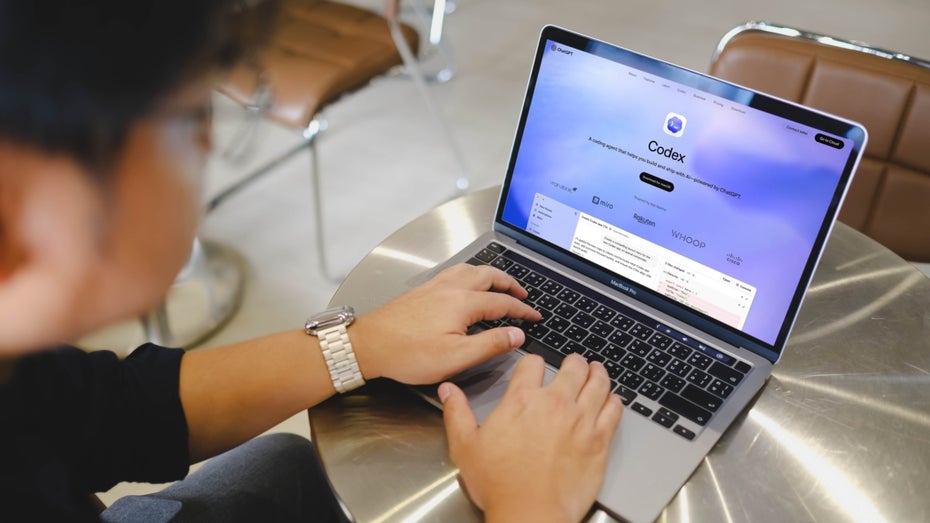
A ruling by the CJEU allows for wage claims for travel to customers. Millions of employees could benefit from this decision.
A landmark ruling by the European Court of Justice (ECJ) has significantly changed working time regulations in Europe. The decision, published on July 25, 2026, states that trips to clients count as working time. This could have far-reaching financial consequences for millions of employees, particularly in the service and tech sectors.
The ruling specifically affects employees who regularly need to travel to clients to provide their services. These trips, which have often been considered part of professional activity, were frequently not recognized as working time until now. With the ECJ's new decision, this practice is now being questioned and could lead to wage claims of up to 400 euros per month.
Details of the Ruling
The ECJ determined that the time employees spend traveling to clients must be considered part of their working time. This means that employers are required to compensate for this time. The decision could be particularly significant for field representatives and technicians who regularly travel to clients. The judges argued that these trips are necessary to provide the contractually agreed services.
The implications of the ruling are extensive. Companies must rethink their working time models and ensure they comply with the new requirements. This could lead to an increase in wage costs, as many employees are now entitled to back payments. The decision could also result in employers needing to adjust their employment contracts to meet the new legal framework.
Reactions from the Business Community
Reactions to the ruling are mixed. While employee representatives and unions celebrate the decision as a major success, business representatives express concerns about the financial impact. Many companies fear that the new regulations could lead to increased operating costs. Some companies have already announced plans to review their internal policies to ensure compliance with the new requirements.
However, experts warn that the implementation of the ruling in practice could present challenges. The precise calculation of working time for trips to clients could lead to disputes between employers and employees. Additionally, the decision could prompt companies to rethink their work organization and potentially hire fewer field representatives.
The ECJ's decision could also impact the work culture in Europe. Employees may become more assertive about their rights and demand greater transparency regarding their working hours and compensation. This could lead to a shift in the entire industry, especially in areas where flexible working hours and remote work are already widespread.
The legal framework for working hours in Europe is already complex, and the new ruling will further increase this complexity. Companies must prepare for the possibility of needing to provide additional training for their employees to ensure that all parties understand and comply with the new regulations. The decision could also lead companies to invest more in technologies that facilitate working time recording and management.
The ECJ's ruling is expected to spark discussions in the coming months and years. The question of how working time is defined and which activities count as working time will remain in focus. Employees and employers must adjust to a new legal framework that may bring significant changes to the world of work.
Ähnliche Artikel

Ukraine develops electric motorcycle for frontline use
Ukraine has developed a silent electric motorcycle for frontline use, equipped with a range extender....

Future of Data Storage: New Technologies in Focus
Innovative storage media are set to secure data archives for centuries. The podcast Bit-Rauschen highlights current deve...

Optimize Thermal Storage for Data Center Waste Heat
Thermal storage enables flexible use of waste heat from data centers and creates new opportunities for heating networks....

Windows 11 Weather App Slows Down PCs
The Weather App in Windows 11 could impair the performance of PCs as it consumes a lot of memory, even when idle....

comment Kommentare (0)
Noch keine Kommentare. Schreiben Sie den ersten!
Kommentar hinterlassen