
Europas Chance bei Lithium-Schwefel-Akkus

Die Forschung zu Lithium-Schwefel-Akkus bietet Europa eine Möglichkeit, im globalen Wettbewerb zu bestehen, während die USA hinterherhinken.
Die Batterieforschung in Europa steht vor einer entscheidenden Wende, insbesondere im Bereich der Lithium-Schwefel-Akkus. Diese Technologie, die als vielversprechende Alternative zu herkömmlichen Lithium-Ionen-Akkus gilt, könnte Europa eine bedeutende Rolle im globalen Wettbewerb sichern. Während asiatische Länder wie China und Südkorea bereits große Fortschritte in der Akkutechnologie gemacht haben, fehlt es in den USA an langfristiger Forschungsarbeit in diesem Bereich.
Technologische Vorteile von Lithium-Schwefel-Akkus
Lithium-Schwefel-Akkus bieten mehrere Vorteile, die sie zu einer attraktiven Option für die zukünftige Energiespeicherung machen. Sie zeichnen sich durch eine höhere Energiedichte aus, was bedeutet, dass sie mehr Energie pro Gewichtseinheit speichern können. Dies könnte insbesondere für Anwendungen in der Elektromobilität und in tragbaren Geräten von Bedeutung sein. Zudem sind die Rohstoffe für Lithium-Schwefel-Akkus kostengünstiger und umweltfreundlicher als die Materialien, die in herkömmlichen Lithium-Ionen-Akkus verwendet werden.
Ein weiterer Vorteil ist die potenziell längere Lebensdauer der Lithium-Schwefel-Akkus. Studien zeigen, dass diese Akkus bei richtiger Handhabung eine höhere Anzahl von Ladezyklen erreichen können, was ihre Wirtschaftlichkeit erhöht. Diese Eigenschaften machen sie zu einer vielversprechenden Lösung für die Herausforderungen der Energiewende und der nachhaltigen Mobilität.
Europäische Forschungsinitiativen
Um die Entwicklung von Lithium-Schwefel-Akkus voranzutreiben, haben europäische Forschungsinstitute und Unternehmen begonnen, gezielte Initiativen zu starten. Diese Projekte zielen darauf ab, die Technologie weiter zu erforschen und zu optimieren, um die Wettbewerbsfähigkeit auf dem globalen Markt zu erhöhen. Die EU hat zudem Fördermittel bereitgestellt, um innovative Ansätze in der Batterieforschung zu unterstützen.
Ein Beispiel für solche Initiativen ist die Zusammenarbeit zwischen Universitäten, Forschungseinrichtungen und der Industrie. Diese Partnerschaften ermöglichen den Austausch von Wissen und Ressourcen, was die Entwicklung neuer Technologien beschleunigt. Zudem wird angestrebt, die Produktionskapazitäten für Lithium-Schwefel-Akkus in Europa auszubauen, um die Abhängigkeit von Importen zu verringern.
Die europäische Batterieforschung hat das Potenzial, nicht nur die technologische Lücke zu schließen, die durch die Dominanz asiatischer Hersteller entstanden ist, sondern auch neue Arbeitsplätze und wirtschaftliche Impulse zu schaffen. Die Entwicklung von Lithium-Schwefel-Akkus könnte somit einen wichtigen Beitrag zur Stärkung der europäischen Wirtschaft leisten.
Die Herausforderungen, die mit der Entwicklung dieser Technologie verbunden sind, sind jedoch nicht zu unterschätzen. Es bedarf umfangreicher Forschung, um die chemischen Prozesse innerhalb der Lithium-Schwefel-Akkus zu verstehen und zu optimieren. Zudem müssen geeignete Produktionsmethoden entwickelt werden, um die Akkus in großem Maßstab herstellen zu können.
Die internationale Konkurrenz im Bereich der Batterieforschung ist stark. Während Europa versucht, seine Position zu stärken, investieren asiatische Länder weiterhin massiv in die Entwicklung neuer Technologien. Dies stellt eine Herausforderung für europäische Unternehmen dar, die sich in einem zunehmend wettbewerbsintensiven Markt behaupten müssen.
Die nächsten Jahre werden entscheidend sein, um zu beobachten, wie sich die europäische Forschung im Bereich der Lithium-Schwefel-Akkus entwickelt. Die Fortschritte in dieser Technologie könnten weitreichende Auswirkungen auf die gesamte Branche haben und die Art und Weise, wie Energie gespeichert und genutzt wird, revolutionieren.
Ähnliche Artikel

Echte Unlimited-Tarife ab 14,99 Euro verfügbar
Unlimited Mobile senkt die Preise für Allnet-Flats im o2-Netz. Ab sofort gibt es echte Datenflats ohne Limit ab 14,99 Eu...
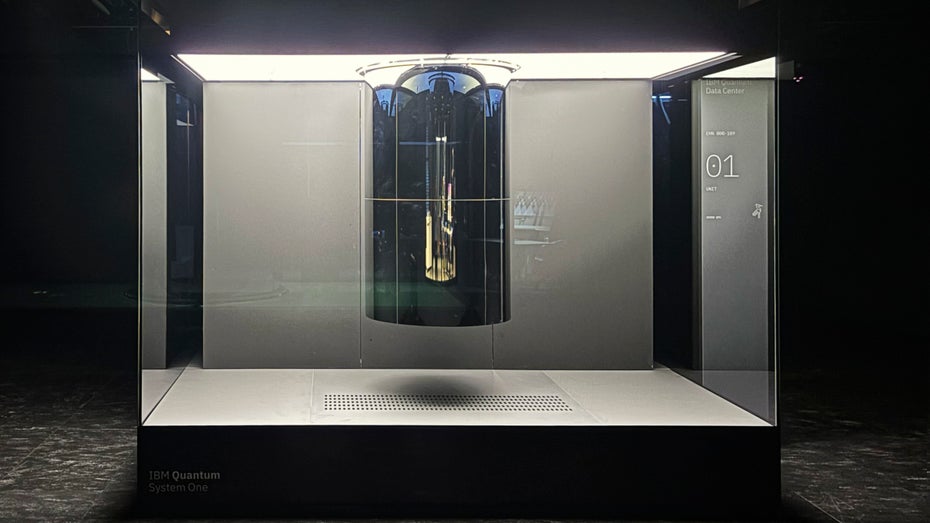
IBM erzielt Durchbruch in der Kernfusion mit Quantencomputern
IBM hat mit einem quantenzentrierten Supercomputer einen wichtigen Machbarkeitsnachweis für die Kernfusion erbracht....

Ukraine entwickelt E-Motorrad für den Fronteinsatz
Die Ukraine hat ein geräuschloses E-Motorrad für den Fronteinsatz entwickelt, das mit einem Range-Extender ausgestattet ...
Zukunft der Datenspeicherung: Neue Technologien im Fokus
Innovative Speichermedien sollen Datenarchive für Jahrhunderte sichern. Der Podcast Bit-Rauschen beleuchtet aktuelle Ent...

comment Kommentare (0)
Noch keine Kommentare. Schreiben Sie den ersten!
Kommentar hinterlassen