












Falcon 9 leaves traces on the Moon
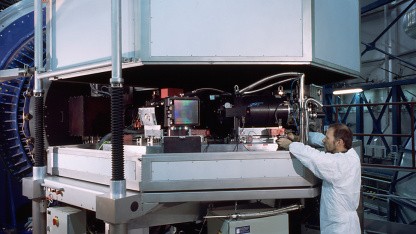
A telescope has detected the impact of the Falcon 9 rocket on the Moon, including the discovery of lithium and sodium.
A significant advancement in space research was recently achieved through the observations of a telescope that detected the impact of the Falcon 9 rocket from SpaceX on the lunar surface. This discovery is not only a technical success for SpaceX but also an important step for the scientific community that studies the effects of human activities in space.
The Falcon 9 rocket, originally designed for the transport of satellites and for resupplying the International Space Station (ISS), has now taken on a new role as part of lunar research. The impact of the rocket on the Moon was confirmed through the analysis of spectral data that identified the presence of lithium and sodium on the lunar surface. These elements are of great interest to scientists as they provide clues about the chemical composition of the Moon.
Scientific Significance of the Impact
The discovery of lithium and sodium could have far-reaching implications for future lunar missions. Lithium is an important element for battery production, while sodium is used in various industrial applications. The analysis of these elements could not only deepen the understanding of lunar geology but also expand the possibilities for future resource extraction projects on the Moon.
The Falcon 9 rocket was intentionally placed on a trajectory in 2026 that allowed for a controlled impact on the lunar surface. This mission was part of a larger program aimed at investigating the effects of space technologies on extraterrestrial environments. Scientists hope that such missions will help ensure the long-term sustainability of space activities.
The analysis of the lunar surface following the impact of the Falcon 9 is supported by various telescopes and space probes that continuously collect data. This data is crucial for monitoring changes on the lunar surface and assessing the impacts of human activities. The results of these studies could also be significant for future manned missions, as they provide important information about the lunar environment.
Technological Advances and Future Missions
The technology used to detect the impact of the Falcon 9 represents a significant advancement in astronomical observation. The ability to identify specific chemical elements on the lunar surface opens new possibilities for the exploration of the Moon and other celestial bodies. These advancements could also help accelerate the development of new technologies for space travel.
SpaceX is already planning further missions based on the insights gained from the impact of the Falcon 9. These future missions could aim to investigate additional elements on the Moon and evaluate the possibilities for a permanent human presence on the Moon. The findings from these missions are expected to promote international collaboration in space exploration.
The discovery of the Falcon 9 impact and the associated chemical analyses are an example of the ongoing integration of space technology and scientific research. The results of this mission could not only deepen the understanding of the Moon but also lay the groundwork for future explorations of space. The scientific community is eager for the upcoming results and their implications for space travel.
Ähnliche Artikel

Ukraine develops electric motorcycle for frontline use
Ukraine has developed a silent electric motorcycle for frontline use, equipped with a range extender....

Future of Data Storage: New Technologies in Focus
Innovative storage media are set to secure data archives for centuries. The podcast Bit-Rauschen highlights current deve...

Optimize Thermal Storage for Data Center Waste Heat
Thermal storage enables flexible use of waste heat from data centers and creates new opportunities for heating networks....
Windows 11 Weather App Slows Down PCs
The Weather App in Windows 11 could impair the performance of PCs as it consumes a lot of memory, even when idle....

comment Kommentare (0)
Noch keine Kommentare. Schreiben Sie den ersten!
Kommentar hinterlassen