
FBI Tracks Hacker via Windows Device ID
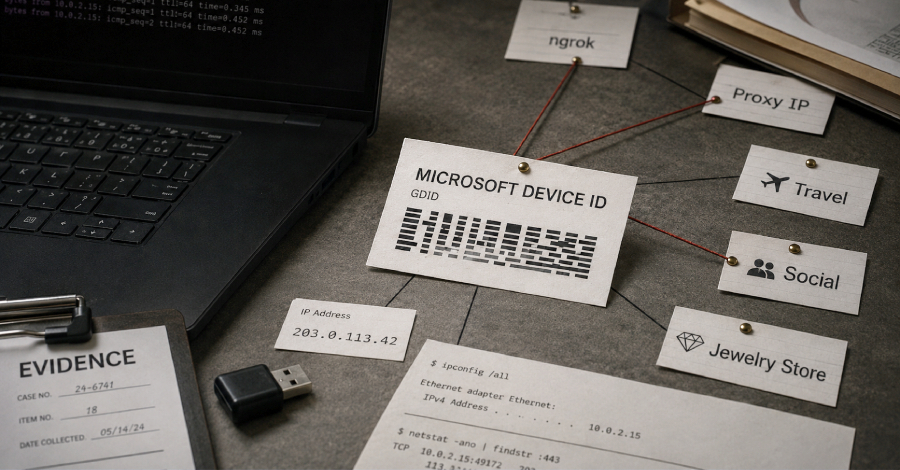
A new court filing reveals how FBI investigators were able to trace a hacker through a Windows device ID.
U.S. prosecutors have identified an alleged hacker from the group Scattered Spider in a newly released federal complaint related to a break-in at a luxury jewelry store. Investigators were able to trace the suspect, 19-year-old Peter Stokes, using a persistent Windows device ID. This ID was used during the break-in in May 2025 to maintain access to the attackers' online accounts.
The investigation began when the FBI learned of the break-in at the jewelry store. The perpetrators had stolen valuable jewelry worth several million dollars. By analyzing the digital traces left by the attackers, investigators were able to establish the connection between the device ID and Stokes' online activities.
Connection to Online Accounts
The Microsoft data analyzed during the investigation showed that the device ID was initially linked to the account used by the attackers during the break-in. This information allowed investigators to track the suspect's activities in the weeks following the break-in. Stokes is accused of operating several online accounts related to the break-in.
The charges against Stokes include multiple counts of computer fraud and identity theft. Investigators have also gathered evidence suggesting that Stokes is part of a larger network of hackers specializing in cybercrime. The group Scattered Spider is known for its aggressive tactics and ability to penetrate highly secure systems.
The use of Windows device IDs to track cybercriminals is not new, but it played a crucial role in this case. Investigators emphasize that such digital fingerprints are often key to identifying perpetrators who hide behind anonymous online identities. This technology has enabled authorities to recognize connections between various cybercrime cases.
Legal Consequences and Further Investigations
The legal actions against Stokes could have far-reaching consequences, especially if he is found guilty. The charges could lead to significant prison time, sending a strong message to other potential cybercriminals. However, the investigations are not yet complete, and authorities continue to explore possible connections to other members of the Scattered Spider group.
The revelations about Stokes and the Scattered Spider group also raise questions about the security of luxury brands and their protective measures. The jewelry industry has increasingly struggled with cyberattacks in recent years, and many companies are forced to rethink their security protocols. Authorities are working closely with the industry to raise security standards and prevent future attacks.
The investigations are part of a larger initiative by the U.S. government to combat cybercrime and enhance security in the digital space. Collaboration between various authorities and companies is seen as crucial to holding perpetrators accountable and protecting the public. The uncovering of Stokes' identity is an example of the progress that can be made in crime fighting through the use of modern technology.
Ähnliche Artikel

Cyberattack on Brandenburg Memorials
The Brandenburg Memorials Foundation fell victim to a ransomware attack that paralyzed its IT systems and resulted in a ...

OpenAI presents ChatGPT 5.6 Cyber for Professionals
OpenAI has released the ChatGPT 5.6 Cyber model, specifically designed for security research....
New phishing method disguises itself as a Windows blue screen
Security researchers have discovered a new phishing method that uses fake Windows blue screens to lure users into execut...

AI Bots Take Over Hacking Attacks
A new report shows that AI is increasingly being used for hacking attacks. IT experts warn of new threats....

comment Kommentare (0)
Noch keine Kommentare. Schreiben Sie den ersten!
Kommentar hinterlassen