

Fitbit Air in the Triathlon Check: Affordable Alternative?
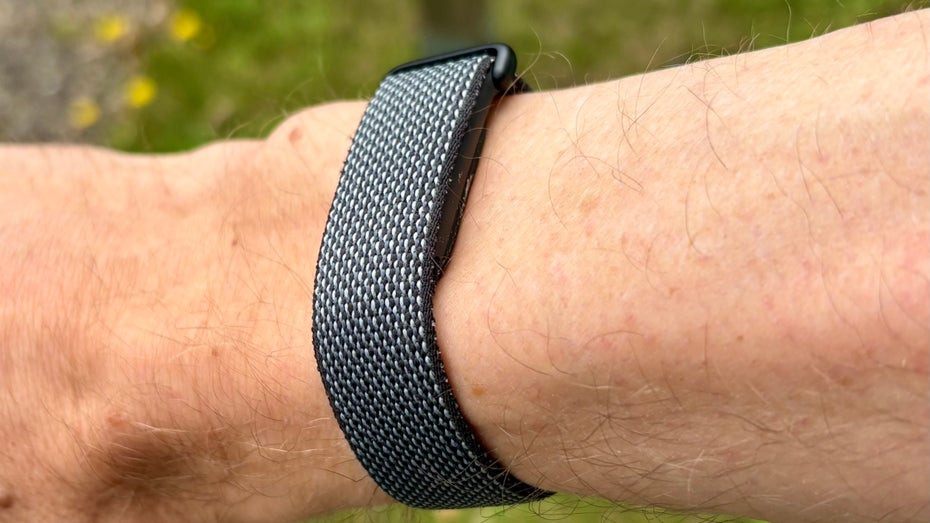
The Fitbit Air from Google is tested against the Whoop. Can the cheaper model impress in the triathlon?
In 2026, Google launched the Fitbit Air, a new fitness band positioned as a cost-effective alternative to the popular Whoop model. While Whoop is highly regarded among sports influencers and professionals due to its subscription model, the Fitbit Air offers a one-time purchase for under 100 euros. The question many are asking is whether the Fitbit Air can keep up with the Whoop in terms of performance and functionality.
Design and Usability
The Fitbit Air impresses with its sleek and modern design, which can be worn both in everyday life and during sports. Weighing only a few grams, it is comfortable to wear and does not interfere during intense training sessions. The user interface is intuitively designed, making navigation through the various features easy. Users can easily read and analyze their activities, heart rate, and sleep data.
Another advantage of the Fitbit Air is its long battery life, which lasts up to seven days. This allows users to use the band for extended periods without recharging, which is particularly important for athletes who do not want to miss out on their data during competitions or training sessions. The device's charging time is also short, further simplifying handling.
Features and Performance
The Fitbit Air offers a variety of features that are of interest to athletes and fitness enthusiasts. These include real-time heart rate monitoring, sleep pattern analysis, and tracking activities such as running, cycling, and swimming. These features are especially important for triathletes looking to optimize their performance across different disciplines.
However, compared to Whoop, the Fitbit Air has some limitations. While Whoop allows for comprehensive analysis of recovery phases and detailed evaluation of training load, the Fitbit Air focuses more on basic fitness data. This could be a disadvantage for professional athletes who need deeper insights into their performance.
The synchronization of the Fitbit Air with the accompanying app is quick and straightforward. Users can track their data in real-time and receive personalized recommendations for improving their fitness. The app also features a community function that encourages interaction with other users and provides additional motivation.
Overall, the test shows that the Fitbit Air is a solid choice for recreational athletes looking for a reliable fitness band at an affordable price. The combination of appealing design, user-friendliness, and basic fitness features makes it an attractive option compared to more expensive models like the Whoop. The Fitbit Air could thus be an interesting choice for those looking to enter the world of fitness tracking without having to invest a large budget.
The Fitbit Air has been available in various colors since its launch in 2026 and targets a wide audience from fitness enthusiasts to casual users. The pricing under 100 euros makes it accessible to many people who want to pursue their fitness goals without committing to an expensive subscription model.
Ähnliche Artikel

EU Commissioner criticizes tech giants for migration crisis
Henna Virkkunen blames Meta and TikTok for the migration crisis. Misinformation has contributed to the crossing of tens ...
Microsoft raises prices for Windows licenses
PC manufacturers will have to pay higher prices for Windows licenses, putting further pressure on profit margins....

New Relic launches support program for startups
New Relic has launched a new program that offers startups free access to the observability platform....
D-Link Reduces Prices for Smart Managed Switches
D-Link has reduced the list prices for two series of Smart Managed Switches by up to 25 percent....

comment Kommentare (0)
Noch keine Kommentare. Schreiben Sie den ersten!
Kommentar hinterlassen