
Fiber Optic Crisis: Association Calls for Subsidies
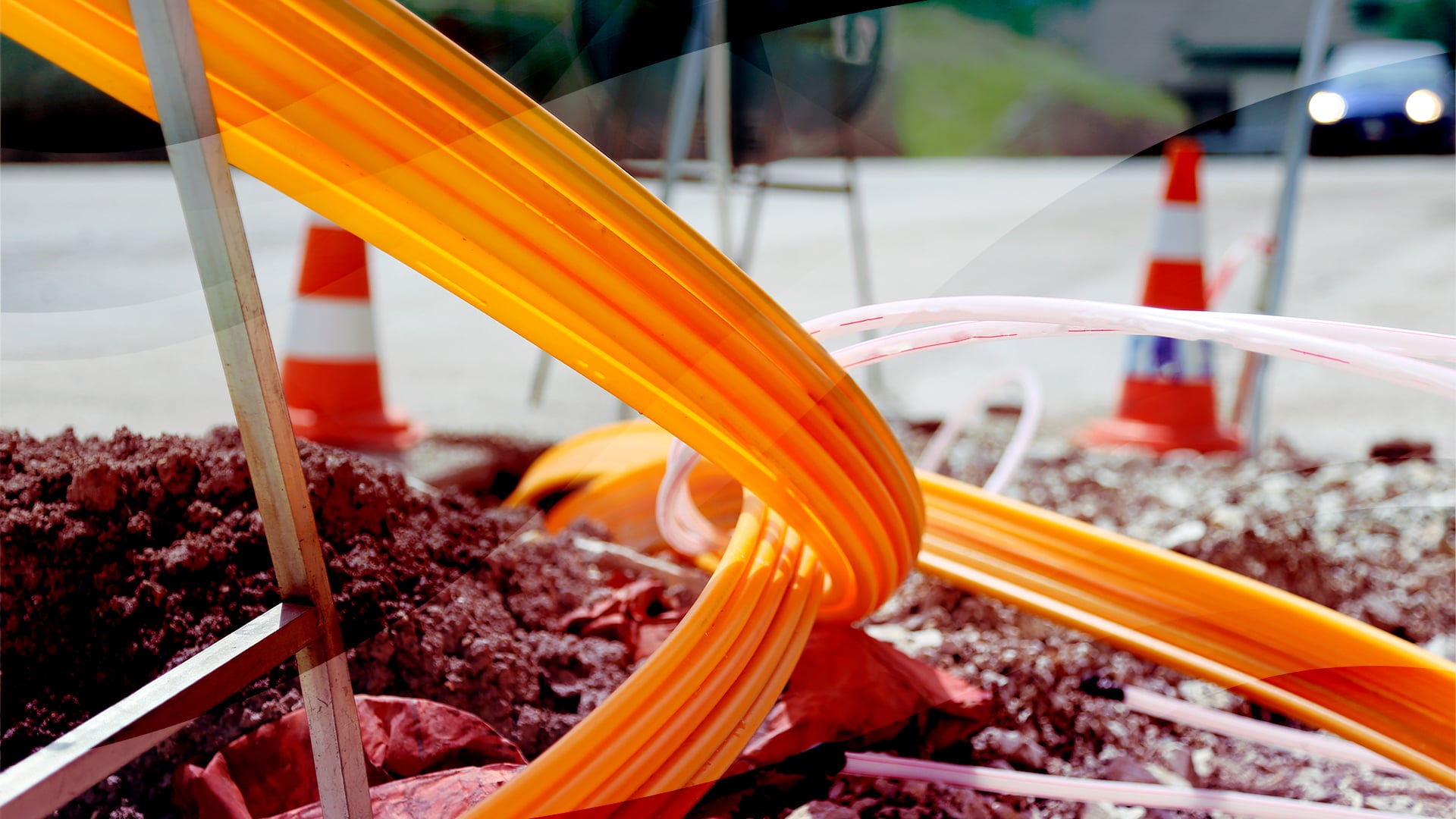
Broadband expansion in Germany is stalling while companies invest billions. The association is now calling for political support for home connections.
The broadband expansion in Germany faces a serious challenge. Despite significant investments from companies in digital infrastructure, acceptance among households remains below expectations. The Association of Providers in the Digital and Telecommunications Market has now called on politics to take action and provide subsidies for household connections.
The situation is paradoxical: While telecommunications companies are investing billions in the expansion of fiber optic networks, many households are opting against switching to these faster internet connections. This leads to inadequate utilization of the already established infrastructure and jeopardizes progress in the digital sector.
Political Support Required
The association argues that without government support, the goals of broadband expansion cannot be achieved. Particularly in rural areas, where the demand for fast internet is often lower, subsidies for household connections are necessary to motivate citizens to switch to fiber optics. This measure could help reduce the digital divide between urban and rural areas.
Another problem is the uneven distribution of fiber optic connections in Germany. While large cities are already well served, many rural areas continue to struggle with slow internet connections. The association sees this as a threat to the competitiveness of the German economy and therefore calls for a rethink in political strategy.
Investments and Challenges
Telecommunications companies have invested significant sums in the expansion of fiber optic infrastructure in recent years. These investments are necessary to meet the increasing demands for bandwidth and speed. Nevertheless, the question remains how many households are actually willing to switch from traditional internet connections to fiber optics.
The reasons for the hesitant acceptance are varied. Many consumers are unaware of the advantages of fiber optic connections or are hesitant to switch due to costs and effort. The association sees an important task for politics here, to better inform the public about the benefits and possibilities of fiber optic connections.
The discussion about the fiber optic crisis shows how important a coordinated strategy between companies and politics is. Only through joint efforts can it succeed in making the digital infrastructure in Germany future-proof and convincing citizens of the benefits of fast internet.
Currently, around 40 percent of households in Germany are connected to the fiber optic network, which is considered inadequate in international comparison. The association therefore urgently calls for measures to significantly increase this number and advance digital transformation.
Ähnliche Artikel
Kubermatic releases Developer Platform 1.0.0 and 1.1.0
The Kubermatic Developer Platform is now production-ready and offers developers new opportunities....
The Importance of Observability in Banking
Seamless banking requires comprehensive observability to keep transactions stable. A failure can affect millions of cust...

Automated Analysis for SAP Migration
Migration to the SAP Analytics Cloud can be complicated by old workbooks. Automated analyses provide a solution....

Cloud Competition: Broadcom and SAP Under Pressure
The cloud association CISPE warns of drastic licensing practices by Broadcom and new API restrictions at SAP in the fiel...

comment Kommentare (0)
Noch keine Kommentare. Schreiben Sie den ersten!
Kommentar hinterlassen