
Intel suffers from high memory prices
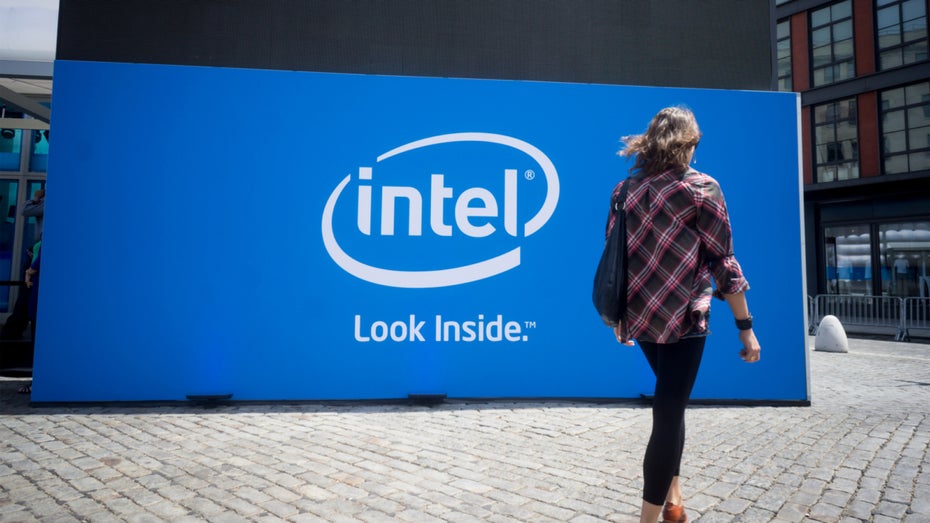
The chip giant Intel is struggling with a decline in sales as high memory prices impact computer sales.
The chip giant Intel, which has long struggled with challenges, is now facing another setback. Despite expectations to benefit from the booming artificial intelligence (AI) market, the company is grappling with a dramatic decline in its stock prices. The cause of this is the rising prices of memory components, which negatively affect computer sales.
High Memory Prices Burden the Market
The prices for memory chips have risen significantly in recent months, directly impacting the production costs of computers. This development has led many consumers and businesses to hesitate in purchasing new computers. The increased costs of memory components have thus had a direct impact on Intel's sales figures, which have already been under pressure in recent years.
Analysts have noted that the high prices for DRAM and NAND memory chips are burdening not only Intel but the entire industry. Demand for new computers has decreased, as many buyers are waiting, hoping that prices will drop again. This has led to a decline in orders at Intel, negatively affecting the company's revenue forecasts.
Market Analysis and Future Outlook
Market analyses show that uncertainties in the global economy and rising prices for essential components like memory chips pose a challenge for the entire technology sector. Intel, which has been striving to strengthen its market position in recent years, is now facing another setback. The combination of high prices and declining demand could significantly hinder the company's recovery.
The situation is exacerbated by the fact that Intel has made significant investments in research and development in recent years to remain competitive in the field of artificial intelligence. However, these investments could be called into question by the current market conditions, as the company may not achieve the expected returns.
The uncertainty regarding future price developments in the memory segment remains a central issue for Intel. Analysts warn that high prices could persist for a longer time, further delaying the company's recovery. Dependence on external factors such as global supply chains and raw material prices could prove to be an obstacle to the planned growth strategies.
Intel has proven in the past that it is capable of adapting to changing market conditions. Nevertheless, it remains to be seen how the company will respond to the current challenges. Upcoming quarterly figures will be crucial in assessing whether Intel can overcome the negative impacts of high memory prices.
Developments in the field of artificial intelligence could still offer opportunities for Intel; however, the current market situation is a serious obstacle. The combination of high prices and declining demand could significantly impair the company's efforts to position itself in the AI sector.
Ähnliche Artikel

Spotify tightens control on family accounts
Spotify introduces stricter controls for family accounts to ensure that only members of a household can use the discount...

Final Fantasy 7 Revelation: Gameplay Revealed Under Midgar
Square Enix presents new gameplay of Final Fantasy 7 Revelation, showcasing the secret depths beneath Midgar....
PCB shortages drive motherboard prices up
The increasing demand in the AI sector is causing shortages in PCBs, which is driving motherboard prices up....

Mass Effect: Amazon continues series despite Bioware closure
The planned Mass Effect series from Amazon remains in development, despite the closure of Bioware....

comment Kommentare (0)
Noch keine Kommentare. Schreiben Sie den ersten!
Kommentar hinterlassen