
ISS Disposal: Legal Loophole Allows Ocean Plunge
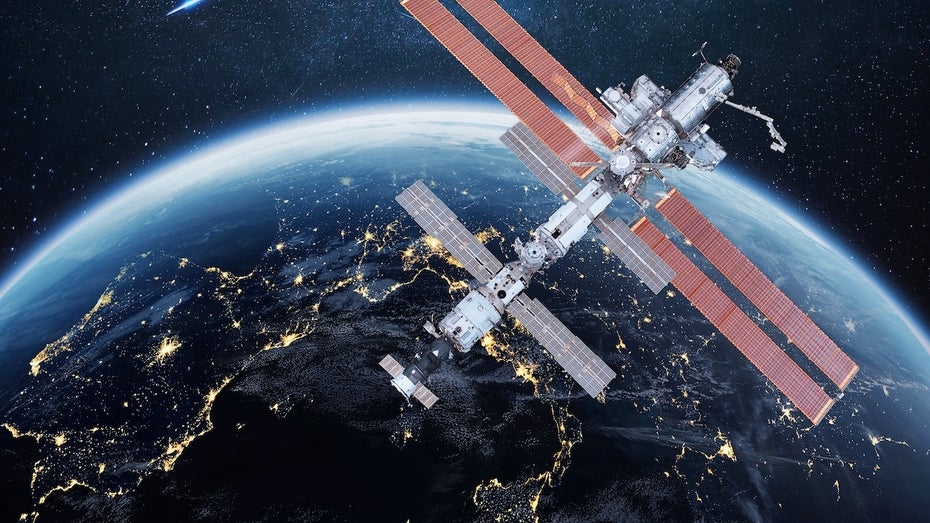
The ISS is to re-enter the Earth's atmosphere in a controlled manner, with parts landing in the sea. Environmentalists are calling for new concepts.
The International Space Station (ISS) is facing a decisive phase in its history. Within the next five years, the ISS is set to re-enter the Earth's atmosphere in a controlled manner, with parts being disposed of in the ocean. This decision is the result of a legal loophole that allows not all components of the space station to burn up, but some to fall into the water.
Environmental Protection Concerns and Calls for New Concepts
Environmentalists are expressing concern over the planned disposal of the ISS. They are urgently calling for new disposal concepts to minimize the impact on the marine environment. The possibility of parts of the space station landing in the ocean raises questions about safety and the protection of marine ecosystems. Experts warn that even small pieces of the ISS that fall into the water could potentially have harmful effects on wildlife and plant life.
The ISS, which has been in orbit since 1998, has enabled a multitude of scientific experiments and international collaborations. However, its disposal presents a new challenge that brings not only technical but also ethical considerations. The discussion about the disposal of the ISS could also serve as an example for future space missions, where similar questions will arise.
Technical Details on Controlled Return
The planned controlled return of the ISS to the Earth's atmosphere is being coordinated by various space agencies. A precise timeline is being established to ensure that the return occurs within a controlled framework. The ISS will land in a specific area of the ocean, known as the "debris field," which is designated for such disposals.
The decision to dispose of parts of the ISS in the ocean is not without controversy. Critics argue that the space community has a responsibility to protect the Earth and its waters. The discussion about the disposal of the ISS could also have implications for future space projects, where similar disposal strategies will need to be considered.
The ISS has enabled numerous advancements in science and technology over the years. However, its disposal is seen as a critical moment in the history of spaceflight, highlighting the need for responsible management of space debris and the re-entry of spacecraft into the Earth's atmosphere.
The international community faces the challenge of finding suitable solutions to minimize the environmental impact of the ISS disposal. The discussion about new disposal concepts will gain importance in the coming years, especially in light of the increasing number of satellites and spacecraft being sent into orbit.
The ISS is expected to remain operational until 2030 before it ultimately returns to the Earth's atmosphere. The decision regarding disposal in the ocean is part of a broader plan for the sustainable use of space and minimizing the environmental impacts of space activities.
Ähnliche Artikel

Real unlimited plans available from 14.99 euros
Unlimited Mobile lowers the prices for all-net flats in the o2 network. From now on, there are real data flats without l...
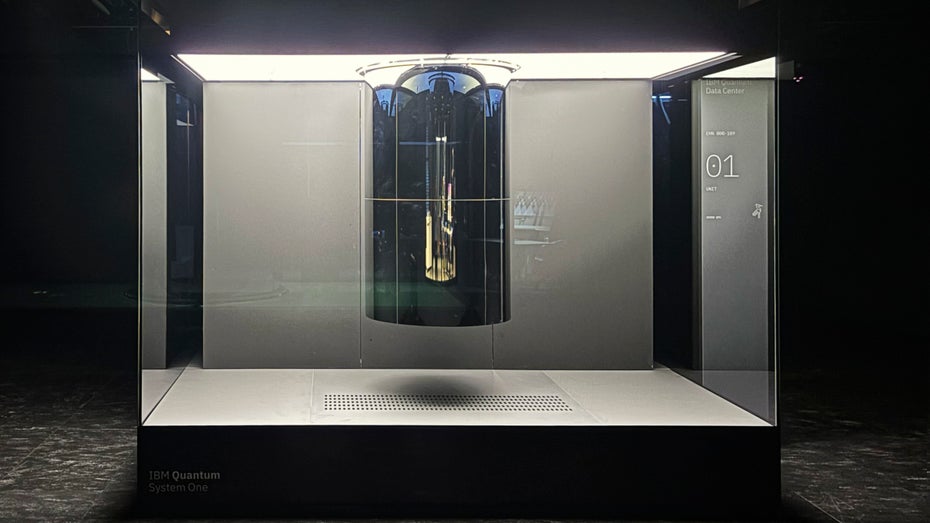
IBM Achieves Breakthrough in Nuclear Fusion with Quantum Computers
IBM has demonstrated a significant proof of concept for nuclear fusion with a quantum-centric supercomputer....

Ukraine develops electric motorcycle for frontline use
Ukraine has developed a silent electric motorcycle for frontline use, equipped with a range extender....

Future of Data Storage: New Technologies in Focus
Innovative storage media are set to secure data archives for centuries. The podcast Bit-Rauschen highlights current deve...

comment Kommentare (0)
Noch keine Kommentare. Schreiben Sie den ersten!
Kommentar hinterlassen