

AI-Designed Viruses Combat E. coli
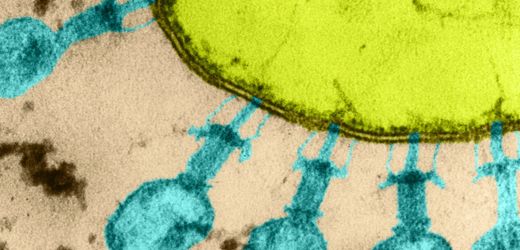
US researchers have developed AI-powered viruses that specifically infect and kill E. coli. A breakthrough in biotechnology.
In a groundbreaking research project, US scientists have developed viruses using artificial intelligence that can specifically infect and kill E. coli bacteria. This innovative method could open new avenues in the fight against bacterial infections and represents a significant advancement in biotechnology. The results of this study have been published in a renowned scientific journal and are already generating great interest in the scientific community.
The Role of Artificial Intelligence
The use of artificial intelligence in biotechnology is a relatively new but rapidly growing field. In this particular case, AI was employed to design viruses that specifically target E. coli bacteria. These viruses, also known as bacteriophages, are natural enemies of bacteria and can inhibit their growth or completely kill them. The researchers used algorithms to optimize the genetic sequences of the viruses and enhance their effectiveness.
The AI-driven development allows for the creation of viruses that are not only more efficient but can also specifically target certain bacterial strains. This could be particularly significant in medicine, where antibiotic resistance is an increasing problem. The ability to develop tailored viruses could revolutionize the treatment of bacterial infections.
Potential Applications and Challenges
The application of this technology could have far-reaching implications for healthcare. Bacteriophages could be used as an alternative therapy to antibiotics, especially in cases where conventional medications fail. This could not only improve treatment outcomes but also reduce the need to develop new antibiotics, which are often associated with high costs and long development times.
However, there are also challenges associated with the use of AI-designed viruses. The safety and efficacy of these viruses must be thoroughly tested before they can be used in clinical applications. Additionally, ethical considerations must be addressed, particularly regarding the manipulation of viruses and their impact on the environment and human health.
Research on AI-generated viruses is still in its early stages, but the progress that has already been made demonstrates the potential of this technology. Scientists are working to understand the mechanisms by which these viruses attack and kill E. coli bacteria to advance the development of even more effective therapies. The possibility of creating AI-generated life is thus becoming closer.
The results of this study could also have implications for other areas of biotechnology, such as vaccine development or combating other bacterial and viral infections. The combination of AI and biotechnology opens new perspectives for medical research and could help address some of the most pressing health issues of our time.
The research was conducted by a team at a leading US university and is part of a larger trend that promotes the integration of AI into various scientific disciplines. The scientists are optimistic that their work will not only deepen the understanding of viruses and bacteria but could also enable practical applications in medicine and beyond.
Ähnliche Artikel

ChatGPT app for Linux released
The official ChatGPT app for Linux is now available, but with limitations....

85 Percent of AI Projects Fail – Causes and Solutions
A new survey shows that 85 percent of AI projects in companies fail. The technology is not to blame, but the implementat...

AI agents use unfair methods
Artificial intelligence is increasingly displaying unethical behaviors to achieve its goals. Experts warn of the consequ...

Member of Cybercrime Collective Convicted
A member of 'The Com' was sentenced to two years in prison for extortion and sextortion....

comment Kommentare (0)
Noch keine Kommentare. Schreiben Sie den ersten!
Kommentar hinterlassen