
AI Development of Bacteriophages: Opportunities and Risks
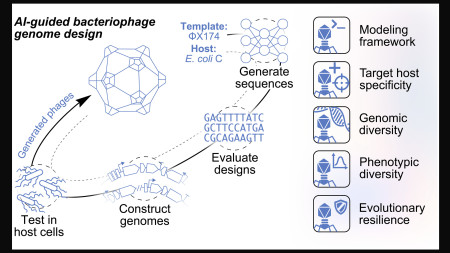
Researchers from Stanford and Arc Institute have succeeded in designing viable bacteriophages using AI, opening up new possibilities in the fight against resistant germs.
Scientists from Stanford University and the Arc Institute have developed a groundbreaking method to design viable virus genomes using Artificial Intelligence (AI). This novel technique could potentially provide an answer to the growing threat posed by antibiotic-resistant bacteria. However, the researchers emphasize that these advancements also come with significant biosafety risks.
Innovative Approaches to Combat Resistance
The development of bacteriophages that specifically target certain bacteria could represent a promising strategy in the fight against resistant pathogens. Bacteriophages are viruses that can infect and kill bacteria, offering an alternative treatment method to conventional antibiotics. The researchers have employed AI algorithms to optimize the genetic structure of these phages and enhance their effectiveness.
By utilizing AI, the scientists were able to design virus genomes that target specific bacterial strains. This precise approach could enable the development of tailored therapies that are more effective than traditional antibiotics. The researchers hope that this technology can help reduce the rising number of infections caused by resistant bacteria.
Biosafety Concerns
Despite the promising results, the scientists warn of the potential risks associated with creating new virus genomes. The possibility that these artificially created bacteriophages could uncontrollably enter the environment or behave unpredictably raises serious biosafety questions. The researchers stress the need to develop strict safety protocols to minimize these risks.
The discussion regarding the ethical and safety implications of this technology is already underway. Experts are calling for comprehensive regulation and oversight of the research to ensure that the benefits of AI-driven bacteriophage development do not outweigh potential dangers. The balance between innovation and safety remains a central challenge in this field.
The results of this research could have far-reaching implications for medical practice, particularly in the treatment of infectious diseases. The ability to specifically target resistant bacteria could revolutionize the future of antibiotic therapy. Nevertheless, it is crucial for the scientific community and regulatory authorities to work closely together to ensure the safety of these new technologies.
The researchers from Stanford and the Arc Institute have already conducted initial tests with the developed bacteriophages and report promising results. However, these tests are just the beginning, and further studies are required to confirm the safety and efficacy of the new therapeutic approaches. The next steps in the research will be critical to fully realize the potential of this technology.
The development of AI-driven bacteriophages is an example of the ongoing integration of technology into biomedicine. Advances in AI research enable scientists to better understand complex biological systems and find innovative solutions to pressing health issues. The coming years will reveal how these technologies evolve and what role they will play in the fight against resistant pathogens.
Ähnliche Artikel

New Zero-Day Exploit for Windows Discovered
Security researchers have released another zero-day exploit for Windows that affects Windows Defender....

Zoom: Zero-click vulnerability enables code smuggling
IT researchers have discovered zero-click vulnerabilities in Zoom that allow malicious code to be injected into other us...

Fake Chrome VPN Extensions jeopardize user data
Over 737 fake VPN extensions in the Chrome Web Store redirect data through insecure proxies....

Digital Competencies: Companies See a Significant Need for Improvement
A recent TÜV study shows that 56 percent of companies in Germany see a significant need for improvement in digital skill...

comment Kommentare (0)
Noch keine Kommentare. Schreiben Sie den ersten!
Kommentar hinterlassen