



AI and its Impact on CO2 Emissions
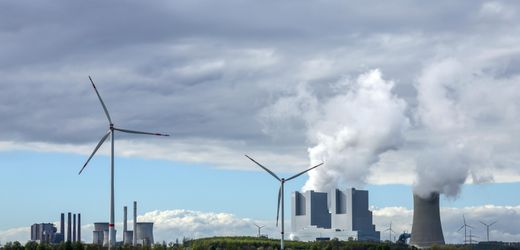
A new study shows that Artificial Intelligence could increase CO2 emissions from fossil fuels, particularly in North Rhine-Westphalia.
A recent study has published alarming results about the impact of Artificial Intelligence (AI) on CO2 emissions from fossil fuels. The research suggests that AI can not only serve as a tool to support the energy transition but also has potentially harmful effects on the climate. Particularly affected is North Rhine-Westphalia, where emissions from coal, oil, and gas could increase due to the use of AI technologies.
The study, conducted by an international team of scientists, analyzed various applications of AI in the energy sector. It was found that AI-supported systems for optimizing energy consumption and production often lead to an increased use of fossil fuels. This occurs because companies attempt to maximize short-term profits rather than pursue sustainable solutions.
Negative Effects of AI on the Energy Transition
A central finding of the study is that AI applications in the industry often do not align with the goals of the energy transition. While AI could theoretically help reduce energy consumption, the data shows that many companies use the technology to exploit their existing fossil fuel resources more efficiently. This leads to an increase in emissions rather than a reduction.
In North Rhine-Westphalia, one of Germany's largest coal producers, the impacts are particularly evident. The region has attempted to accelerate the transition to renewable energies in recent years but faces the challenge that AI-supported processes could reinforce dependence on coal and other fossil fuels. This could significantly hinder efforts to reduce CO2 emissions.
The researchers warn that the unregulated use of AI in the energy sector could lead to a vicious cycle. Companies relying on AI to boost their efficiency might be tempted to reduce their investments in renewable energies. This would not only jeopardize climate goals but also impair the long-term sustainability of energy supply in the region.
Regulatory Measures Required
In light of the study's findings, the scientists urgently call for regulatory measures to limit the negative impacts of AI on CO2 emissions. They propose that governments and regulatory authorities should develop clear guidelines for the use of AI in the energy sector. These guidelines should ensure that AI technologies are used not only for efficiency gains but also to promote sustainable practices.
The discussion about the role of AI in the energy sector is becoming increasingly important as the global community strives to meet climate goals. The study highlights that without appropriate regulation, the risks associated with the use of AI could jeopardize progress in the energy transition. The scientists emphasize that it is crucial to use the technology responsibly to achieve the desired environmental impacts.
The results of the study also raise questions about the responsibility of companies that develop and implement AI technologies. These companies are expected to take an active role in shaping sustainable solutions rather than focusing solely on short-term economic benefits. Thus, the responsibility for climate protection could also lie in the hands of technology providers.
The study was published in a renowned scientific journal and has already caused a stir in the political and economic landscape. Experts from various fields are discussing the implications of the findings and the necessary steps to minimize the negative impacts of AI on CO2 emissions.
Ähnliche Artikel

Spotify marks AI-generated user profiles
Spotify plans to mark AI-generated user profiles to create transparency. However, the issue of AI-generated music remain...

Waymo Receives Approval for Expansion in California
Waymo is allowed to significantly expand its robotaxi service in California, with only a few restrictions for the autono...

France stops social media ban for teenagers
The Constitutional Council in France has halted the proposed social media ban for those under 15, as it was deemed too b...

Price War in the AI Sector: US Companies Under Pressure
OpenAI and Anthropic Lower Prices to Keep Up with Chinese AI Competitors....

comment Kommentare (0)
Noch keine Kommentare. Schreiben Sie den ersten!
Kommentar hinterlassen