
Lazarus Group Uses Quantum Encryption for Malware
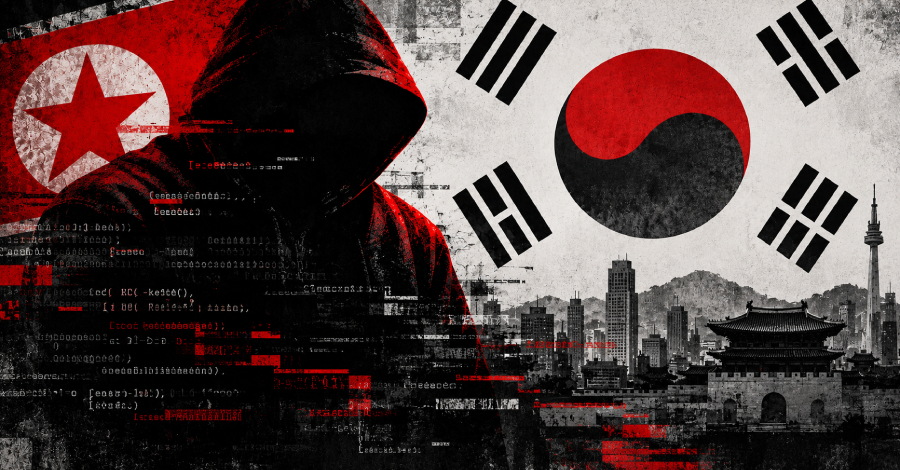
The Lazarus Group from North Korea has launched a cyber operation in South Korea targeting multiple industries.
The North Korea-linked Lazarus Group has launched a cyber operation called Operation FlashHole, targeting at least three organizations in South Korea. This campaign aims at companies in the construction, software, and wire communication device manufacturing sectors. According to the Russian cybersecurity company Kaspersky, the operation has been active since at least July 2025.
Details of the Cyber Operation
The Lazarus Group is known for its sophisticated cyberattacks and has previously targeted numerous companies and institutions worldwide. The current campaign employs advanced techniques, including post-quantum encryption, to spread malware. This type of encryption is particularly relevant as it aims to defend against future quantum computer attacks.
The affected South Korean companies operate in critical sectors, underscoring the significance of the attacks. Kaspersky has noted that the attacks are not only aimed at data theft but also at destabilizing the infrastructure of the target companies. The use of quantum encryption demonstrates that the Lazarus Group is adapting to the constantly evolving technologies.
Reactions and Security Measures
The South Korean authorities have responded to the threat by enhancing security measures to protect the affected sectors. Companies are urged to review their security protocols and ensure they are equipped to defend against such advanced attacks. Experts warn that the Lazarus Group's attacks could potentially affect other countries and sectors as well.
The discovery of this cyber operation has also attracted international attention, as it reflects the ongoing tensions between North Korea and other countries. The use of quantum encryption in cyberattacks could herald a new era of cybercrime that is harder to combat. Kaspersky has already recommended measures to minimize the impact of such attacks.
The Lazarus Group is not only known for its cyberattacks but also for its connections to state actors in North Korea. These connections make the group a serious player in the field of cybercrime. Ongoing investigations may reveal further information about the group's methods and objectives.
The cyberattacks by the Lazarus Group are part of a larger trend where state-sponsored hacker groups increasingly employ complex techniques to achieve their goals. The threat posed by such groups is considered to be growing, especially at a time when digital infrastructure is becoming increasingly important. South Korean companies must prepare for a persistent threat.
Operation FlashHole is an example of the changing landscape of cybercrime, where traditional security measures may no longer be sufficient. Companies and governments worldwide must adapt to meet the new challenges posed by such advanced attacks. The Lazarus Group remains a central player in this evolving field.
Ähnliche Artikel
Volt Typhoon and the Silent Train Network
The cyber espionage group Volt Typhoon has used a secret network called Silent Train for cyber attacks....
CISA warns of exploitation of critical Node2Shell vulnerability
CISA has confirmed that hackers are exploiting a critical vulnerability called Node2Shell. The threat affects multiple s...

Municipalities demand better protection against cyber attacks
The Association of Cities and Municipalities calls for more measures against cyber attacks, especially after the PHP sec...

PHP2Shell Attack Compromises U.S. Government Network
An AI-assisted cyber attack has infiltrated 25 servers and jeopardized a network with connections to the U.S. government...

comment Kommentare (0)
Noch keine Kommentare. Schreiben Sie den ersten!
Kommentar hinterlassen