






Sustainable Satellite Propulsion through Magnetic Fields
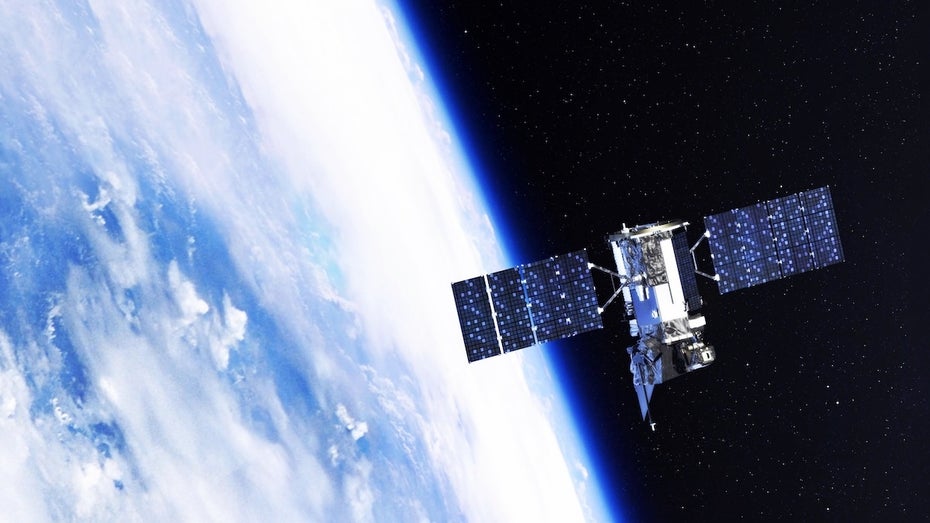
A company is developing a new propulsion system for satellites that is based on superconducting magnets and utilizes the Earth's magnetic field.
In a groundbreaking development in the field of aerospace technology, a company has introduced a new propulsion system for satellites that does not rely on chemical fuels or electrical energy. Instead, this innovative approach utilizes superconducting magnets that interact with the Earth's magnetic field. This technology could represent a significant step towards more sustainable practices in space.
Traditionally, satellites rely on chemical fuels to change their position in orbit or make course corrections. However, these methods are not only expensive but also environmentally harmful, as they produce harmful emissions. The new propulsion system, based on superconducting magnets, could significantly reduce these issues and provide a more eco-friendly alternative.
How the New Propulsion System Works
The novel propulsion system operates by utilizing the properties of superconducting materials that are operated at extremely low temperatures. These materials can generate strong magnetic fields that interact with the Earth's natural magnetic field. Through this interaction, satellites can change their direction without relying on chemical fuels.
The use of magnetic fields to control satellites could not only lower operating costs but also extend the lifespan of the satellites. Since the propulsion system does not require chemical reactions, the risk of fuel leaks or other environmentally harmful incidents in space is eliminated.
Another advantage of this technology is the ability to operate satellites more efficiently. The superconducting magnets allow for more precise control of satellite movements, which can lead to improved performance and reliability. This is particularly important for satellites used for communication or Earth observation purposes.
Impact on the Aerospace Industry
The introduction of this new propulsion technology could have far-reaching effects on the aerospace industry. Companies operating satellites could benefit from the cost savings associated with reduced fuel requirements. This could also lead to more satellites being launched into orbit as operating costs decrease.
Furthermore, the technology could help reduce the environmental impact of satellite launches. With increasing concern about climate change and the effects of human activities on the environment, the development of sustainable technologies in space is becoming increasingly important. The new propulsion system could be a step in the right direction towards making space travel more environmentally friendly.
The company plans to continue testing and optimizing the technology in the coming years. Initial tests have already yielded promising results, and the developers are confident that the propulsion system will soon be implemented in practice. The next steps include integrating the technology into existing satellites and conducting extensive tests in orbit.
The development of this new propulsion technology is an example of the innovative power in the aerospace industry. With a focus on sustainability and efficiency, such technologies could help address the challenges of the future and secure space travel for generations to come.
Ähnliche Artikel

Direct Current Grids: The Future of Energy Supply
Direct current grids are gaining importance due to digitalization and renewable energies. New technologies support their...

Google's Pixel 11 Series: Minor Updates, High Prices
Google's new Pixel 11 series brings only a few innovations and higher prices for the models. The cheaper variants are be...

EU Commissioner criticizes tech giants for migration crisis
Henna Virkkunen blames Meta and TikTok for the migration crisis. Misinformation has contributed to the crossing of tens ...
Microsoft raises prices for Windows licenses
PC manufacturers will have to pay higher prices for Windows licenses, putting further pressure on profit margins....

comment Kommentare (0)
Noch keine Kommentare. Schreiben Sie den ersten!
Kommentar hinterlassen