
Neue SynkLoader-Malware in Microsoft Teams-Kampagnen

Die SynkLoader-Malware wird über Phishing-Kampagnen in Microsoft Teams verbreitet, um Anmeldedaten zu stehlen.
Eine neue Malware-Familie mit dem Namen SynkLoader wird derzeit in Phishing-Kampagnen über Microsoft Teams verbreitet. Diese Malware zielt darauf ab, Anmeldedaten von Nutzern zu stehlen, indem sie eine gefälschte Sperrbildschirm-Oberfläche verwendet. Sicherheitsforscher haben festgestellt, dass diese Angriffe zunehmend raffinierter werden und sich gezielt gegen Unternehmen richten, die Microsoft Teams für die interne Kommunikation nutzen.
Funktionsweise der SynkLoader-Malware
Die SynkLoader-Malware wird über gefälschte Links in Microsoft Teams-Nachrichten verbreitet. Wenn ein Nutzer auf den Link klickt, wird er auf eine gefälschte Anmeldeseite weitergeleitet, die der echten Microsoft-Anmeldeseite ähnelt. Dort wird der Nutzer aufgefordert, seine Anmeldedaten einzugeben, die dann von den Angreifern erfasst werden. Diese Methode ist besonders gefährlich, da viele Nutzer Microsoft Teams als vertrauenswürdige Plattform betrachten.
Die Malware nutzt eine ausgeklügelte Technik, um den Eindruck zu erwecken, dass der Computer des Nutzers gesperrt ist. Dies geschieht durch die Anzeige eines gefälschten Sperrbildschirms, der den Nutzer dazu verleitet, seine Anmeldedaten einzugeben, um wieder Zugriff auf sein Gerät zu erhalten. Diese Taktik erhöht die Wahrscheinlichkeit, dass Nutzer ihre Informationen preisgeben, erheblich.
Reaktion der Sicherheitsgemeinschaft
Die Entdeckung der SynkLoader-Malware hat in der Sicherheitsgemeinschaft Besorgnis ausgelöst. Experten warnen vor der zunehmenden Bedrohung durch Phishing-Angriffe, die speziell auf Plattformen wie Microsoft Teams abzielen. Viele Unternehmen haben bereits Maßnahmen ergriffen, um ihre Mitarbeiter über die Gefahren von Phishing aufzuklären und sie zu sensibilisieren, verdächtige Links zu vermeiden.
Zusätzlich zu Schulungsmaßnahmen empfehlen Sicherheitsexperten, dass Unternehmen ihre Sicherheitsprotokolle überprüfen und gegebenenfalls anpassen. Dazu gehört die Implementierung von Multi-Faktor-Authentifizierung, um den Zugriff auf sensible Daten zu schützen. Diese zusätzlichen Sicherheitsmaßnahmen können dazu beitragen, das Risiko eines erfolgreichen Angriffs zu minimieren.
Die Verbreitung der SynkLoader-Malware zeigt, dass Cyberkriminelle ständig neue Methoden entwickeln, um ihre Angriffe zu verfeinern. Die Kombination aus gefälschten Anmeldeseiten und täuschend echten Sperrbildschirmen stellt eine ernsthafte Bedrohung für die Cybersicherheit dar. Unternehmen sind gefordert, proaktive Maßnahmen zu ergreifen, um ihre Systeme und Daten zu schützen.
Die Sicherheitsbehörden raten Nutzern, besonders vorsichtig zu sein, wenn sie Links in Microsoft Teams-Nachrichten anklicken. Es wird empfohlen, die URL der Anmeldeseite immer zu überprüfen, bevor persönliche Informationen eingegeben werden. Diese einfache Maßnahme kann dazu beitragen, die Gefahr eines Phishing-Angriffs erheblich zu reduzieren.
Die SynkLoader-Malware ist ein weiteres Beispiel für die sich ständig weiterentwickelnde Landschaft der Cyberbedrohungen. Angreifer nutzen zunehmend legitime Plattformen, um ihre Angriffe durchzuführen, was die Erkennung und Abwehr solcher Bedrohungen erschwert. Die Sicherheitsgemeinschaft bleibt wachsam und arbeitet daran, neue Strategien zur Bekämpfung dieser Bedrohungen zu entwickeln.
Ähnliche Artikel
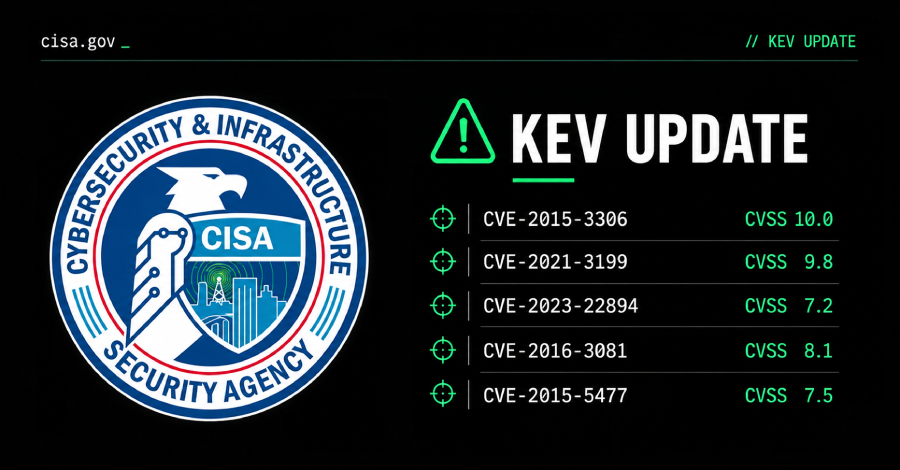
CISA warnt vor Flaws durch Flax Typhoon
CISA hat fünf Sicherheitsanfälligkeiten in ihrem KEV-Katalog hinzugefügt, die von der Bedrohungsgruppe Flax Typhoon ausg...

Pwn2Own Ireland 2026: Hacker verdienen über 1,2 Millionen
Bei Pwn2Own Ireland 2026 wurden 98 Zero-Day-Sicherheitslücken ausgenutzt, was den Hackern insgesamt 1,262,000 Dollar ein...

AI und die Herausforderungen der Agentensicherheit 2026
Die 2026 State of Agent Security Report zeigt, dass viele AI-Produkte nicht in Identitätsinfrastrukturen integriert sind...

Citrix behebt kritische Sicherheitsanfälligkeit in NetScaler
Citrix hat Patches für eine kritische Sicherheitsanfälligkeit in NetScaler ADC und Gateway veröffentlicht, die zu RCE fü...

comment Kommentare (0)
Noch keine Kommentare. Schreiben Sie den ersten!
Kommentar hinterlassen