



Quantum Industry in Europe: Challenges and Opportunities

A new study highlights the difficulties faced by quantum start-ups in Germany, particularly regarding infrastructure and capital.
The European quantum industry faces significant challenges, as a recent study by the Fraunhofer Institute shows. In particular, German quantum start-ups struggle with the provision of their applications. The study highlights that having their own quantum hardware at the customer remains the exception, which affects the competitiveness of the companies.
A central problem is the availability of computing capacities and platforms, which are predominantly located outside Europe. This leads many start-ups to rely on foreign resources, complicating the development and implementation of their technologies. Dependence on non-European providers could jeopardize the innovative strength of the European quantum industry in the long term.
Lack of Capital and Infrastructure Issues
Another critical point addressed by the study is the lack of capital for quantum start-ups. Many companies struggle to acquire sufficient financial resources to advance their projects. This affects both research and development as well as the market launch of their products. The willingness to invest in this highly specialized sector remains limited, restricting the growth opportunities of the start-ups.
The infrastructure for quantum computing in Europe is also inadequately developed. Many start-ups are looking for suitable premises and technical facilities to develop and test their technologies. The lack of support from governmental and private institutions makes it difficult for companies to compete in a global market.
The Fraunhofer study also shows that most quantum start-ups in Germany are still in the early stages of their development. Many companies focus on fundamental research and experimental applications, while the commercial use of their technologies often still lies in the distance. This situation could lead to Europe lagging behind other regions in international comparison.
International Competitiveness
The dependence on foreign computing capacities and platforms also impacts the international competitiveness of the European quantum industry. While countries like the USA and China make significant investments in their quantum research and development, Europe lags behind these advancements. The study therefore calls for increased collaboration among European countries to improve quantum infrastructure and strengthen innovative capacity.
Another aspect addressed in the study is the necessity to build a network of quantum researchers and developers. The exchange of knowledge and experiences could help accelerate the development of new technologies and enhance the competitiveness of the European quantum industry. Initiatives to promote cooperation between universities, research institutions, and industry are crucial for the success of this sector.
The Fraunhofer study emphasizes that the challenges facing the European quantum industry cannot be ignored. To compete in the global market, targeted measures are required that support both the infrastructure and the financing of quantum start-ups. Only in this way can Europe secure its position as a leading player in the field of quantum technology.
Ähnliche Artikel
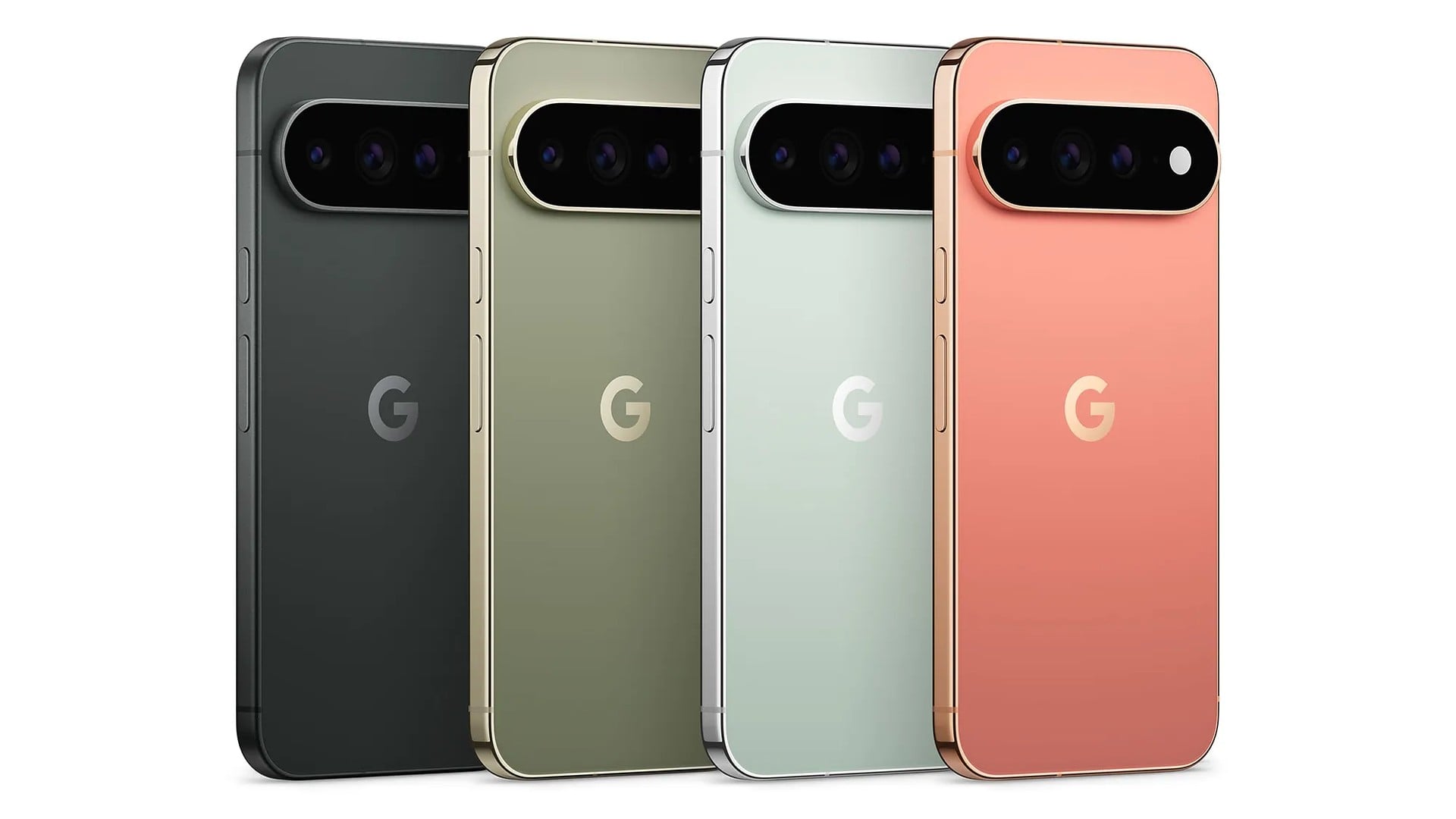
Google presents the Pixel 11 smartphones
The new Pixel 11 family from Google brings numerous technical upgrades and new models to the market....
Direct Current Grids: The Future of Energy Supply
Direct current grids are gaining importance due to digitalization and renewable energies. New technologies support their...

Google's Pixel 11 Series: Minor Updates, High Prices
Google's new Pixel 11 series brings only a few innovations and higher prices for the models. The cheaper variants are be...

EU Commissioner criticizes tech giants for migration crisis
Henna Virkkunen blames Meta and TikTok for the migration crisis. Misinformation has contributed to the crossing of tens ...

comment Kommentare (0)
Noch keine Kommentare. Schreiben Sie den ersten!
Kommentar hinterlassen