
Study shows: AI videos threaten trust in media
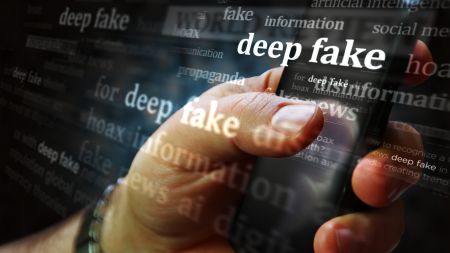
A new study proves that deepfakes significantly undermine the trust of Germans in moving images. The demand for labeling obligations is growing louder.
A recent study has shown that deepfake technology significantly undermines the trust of Germans in moving images. According to the results of the investigation, many people are unable to distinguish between real and manipulated videos. This leads to growing concern about the integrity of news and information disseminated through digital platforms.
The majority of respondents expressed a desire for strict labeling requirements for AI-generated content. This demand reflects the increasing skepticism towards digital media, especially at a time when the spread of misinformation and fake news on social networks has risen sharply. The study shows that many users feel uncertain when confronted with content that may have been manipulated.
Trust in traditional news sources is dwindling
The results of the study suggest that trust in traditional news sources is declining. More and more people are turning to content creators and influencers as alternative sources of information. This development could have long-term effects on journalism and the media landscape, as the credibility of established news organizations is being questioned.
The study highlights that particularly younger generations are more susceptible to deepfakes. Many of them consume news primarily through social media, where the likelihood of encountering manipulated content is higher. This leads to an intensified discussion about the responsibility of platforms and content providers to prevent the spread of deepfakes.
Another aspect of the study is the role of education and awareness in dealing with digital content. Experts emphasize the need to promote media literacy to better prepare users for the challenges of the digital information world. Training and workshops could help raise awareness of the dangers of deepfakes and strengthen the ability to critically analyze media content.
Political reactions and legislative measures
The results of the study have also triggered political reactions. Politicians and decision-makers are calling for measures to curb the spread of deepfakes. In some countries, initial steps have already been taken to create legal frameworks that mandate clear labeling of AI-generated content. These initiatives aim to restore public trust in digital media.
However, the discussion about the regulation of deepfakes is complex. Critics warn that overly strict regulations could stifle creativity and innovation in the digital space. There is a challenge to find a balance between protecting users and promoting creative content. The debate over the right balance is expected to intensify in the coming months and years.
The study underscores that society faces a crucial challenge: How can trust in digital media be restored? The answers to this question will not only have a lasting impact on the media landscape but also on the way information is consumed and disseminated. The need for clear guidelines and responsible use of technologies is becoming increasingly urgent.
Ähnliche Artikel

OpenAI's Compaction Feature Poses Security Risks
A new security report shows that OpenAI's Compaction feature can be used to extract hidden thought processes....
Elvis heirs sue AI company Anthropic
The rights holders of Elvis Presley have sued Anthropic because the AI Claude was trained on 274 songs of the musician....
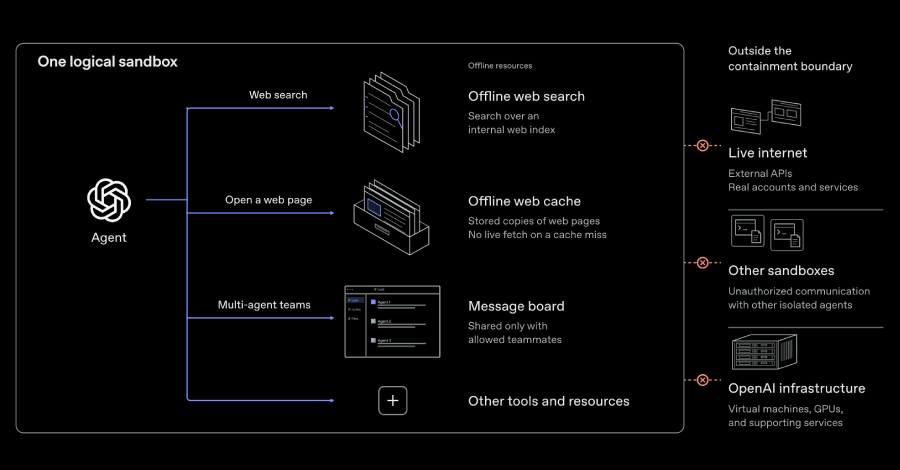
OpenAI announces new security measures
OpenAI plans to conduct the training of its most advanced AI models without internet access....
China responds to AI-related job losses
The State Council of China has introduced measures to mitigate job losses caused by AI. Companies must be cautious when ...

comment Kommentare (0)
Noch keine Kommentare. Schreiben Sie den ersten!
Kommentar hinterlassen