
Study on Social Media and Academic Performance

A new study examines the relationship between the age of the first social media account and the academic performance of students.
A recent study has investigated a possible connection between early social media use and the academic performance of students. Researchers surveyed 5,000 students worldwide to find out when they created their first social media account and how this affected their learning performance. The results of the study raise questions that are significant in the current debate about a minimum age for social media.
Early Use and Academic Performance
The study found that students who opened their first social media account at a primary school age tended to perform worse in school. The researchers analyzed the academic results of the students and found that early exposure to social media correlated with a decline in grades in various subjects. This could suggest that the distractions caused by social media impair concentration and learning.
Another aspect of the study was the examination of the time students spend daily on social media. Students who were active on social networks for more than two hours a day showed significantly lower performance in mathematics and science. The researchers emphasize that the way social media is used also plays a role, as passive consumption of content may be less harmful than active engagement in social networks.
Discussion on Minimum Age
The results of the study have reignited the discussion about a minimum age for social media use. Education experts and psychologists argue that parents and schools should take the risks of early social media use seriously. Some countries have already taken measures to raise the minimum age for using certain platforms to protect children from potential negative effects.
The debate is intensified by the fact that many students come into contact with social media at the age of 10 or younger. The study shows that it is important to understand the effects of this early use on academic performance in order to develop appropriate guidelines. The results could also help raise awareness of the need for media literacy in schools.
The researchers recommend that schools implement programs to promote media literacy to better prepare students for dealing with social media. These programs could include information about the risks and benefits of social media use as well as strategies for effective use. The goal is to empower students to make responsible decisions and minimize the negative impacts on their academic performance.
The study was published in a renowned academic journal and has already attracted attention in various media. The results could have far-reaching implications for education policy, particularly regarding the regulation of social media use by children and adolescents. The discussion about a minimum age for social media is expected to gain further importance in the coming months.
Ähnliche Artikel

Microsoft plans to discontinue Windows Deployment Services
Microsoft announces the discontinuation of Windows Deployment Services (WDS), starting with the next Windows Server vers...

Find the Needle: Automation Game Enthralls Players
The automation game Find the Needle has captivated thousands of players with its demo....
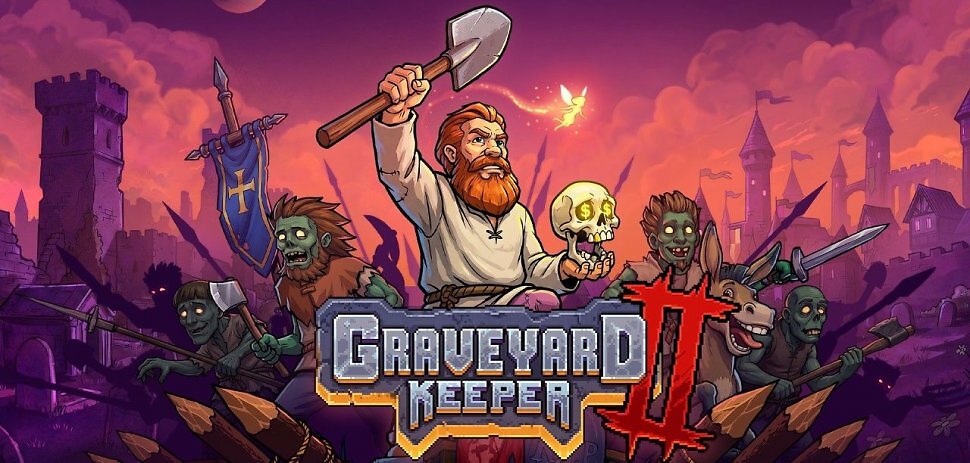
Graveyard Keeper 2 surpasses player records
Graveyard Keeper 2 launches successfully, surpasses player records, but receives mixed feedback from German fans....

Tips for Earning FUT Coins Quickly in EA FC 27
Learn how to earn FUT coins quickly in EA Sports FC 27 without spending real money. Here are some useful tips....

comment Kommentare (0)
Noch keine Kommentare. Schreiben Sie den ersten!
Kommentar hinterlassen