
US air traffic control modernizes systems without floppy disks

The FAA is modernizing its air traffic control systems and saying goodbye to floppy disks at over 400 locations.
The US aviation authority FAA has taken a significant step towards modernizing its air traffic control systems. After years of reliance on outdated technologies, the agency will now discontinue the use of floppy disks at more than 400 locations. This decision marks a turning point in aviation technology and demonstrates the push for digitalization in one of the most important sectors of the economy.
The floppy disks, which have been used in air traffic control since the 1980s, are a relic from a time when digital technologies were still in their infancy. Despite the rapid development in computer technology, the FAA clung to these outdated storage media, which drew much criticism in the industry. Therefore, the decision to part ways with floppy disks is not only a technical necessity but also a step towards improving safety and efficiency in air traffic.
Technological Advances in Air Traffic Control
The FAA plans to replace the old systems with modern digital solutions that enable faster and more reliable data processing. These new systems will not only increase the efficiency of air traffic control but also improve aviation safety. The transition to digital technologies will allow air traffic controllers to process information in real-time and respond more quickly to changes in air traffic.
The modernization of air traffic control systems is part of a broader plan by the FAA to modernize the entire aviation infrastructure of the USA. In recent years, the agency has already launched several initiatives to enhance safety and efficiency in air traffic. These include investments in new technologies and training personnel to meet the challenges of modern aviation.
The decision to reject floppy disks is also a sign of the increasing pressure on the FAA to keep pace with technological developments. At a time when cybersecurity and digital innovations are becoming increasingly important, it is crucial that the aviation authority updates its systems. The transition to modern technologies will not only revolutionize air traffic control but also strengthen public confidence in the safety of air travel.
Reactions from the Industry
The reactions to the FAA's announcement are predominantly positive. Experts from the aviation industry have praised the decision, emphasizing that it is necessary to secure the competitiveness of US aviation. Many see the modernization as a step in the right direction to tackle future challenges and ensure safety in air traffic.
However, some critics have noted that the transition to digital systems may also bring new challenges, particularly regarding cybersecurity. The FAA has emphasized that it will implement comprehensive security measures to ensure the integrity of the new systems. The agency plans to work closely with technology providers to ensure that the new systems are both secure and efficient.
The FAA has already begun implementing the new systems and plans to complete the transition in the coming months. The agency has announced that it will keep the public informed about the progress of the modernization. The shift to digital technologies is seen as a crucial step to future-proof air traffic control in the USA.
Ähnliche Artikel

QNAP introduces PoE++ on 100G ToR Switch
QNAP has re-launched its 100GbE switch QSW-M7230-2X4F24T as a PoE variant, which powers devices through all 24 10GbE por...
Rhöncloud receives BSI certificate for cloud operations
The cloud service provider Rhöncloud was awarded the IT baseline protection certificate from BSI at it-sa in Nuremberg....
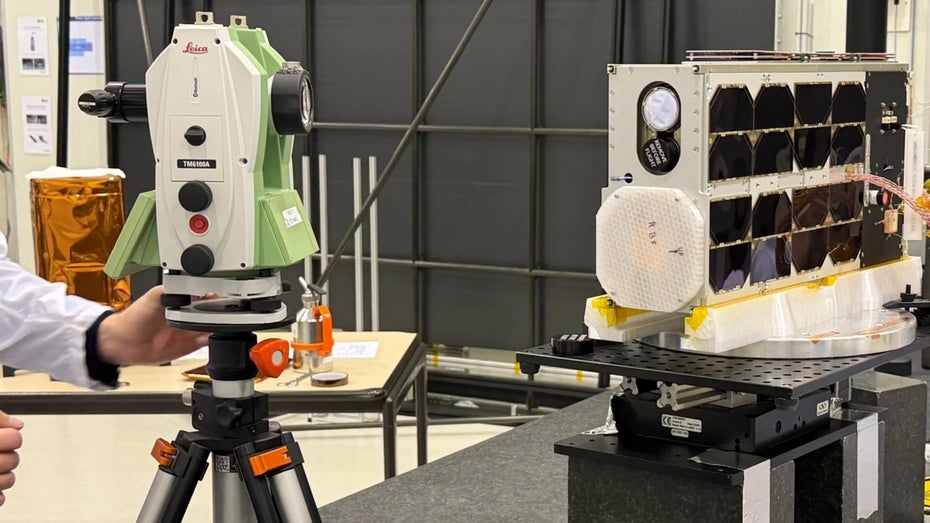
Greek satellite uses laser communication
A Greek small satellite has successfully established a laser connection to Earth, enabling higher data rates than radio....
FWA vs. Starlink: A Comparison of Internet Connections
In Germany, an analysis shows that FWA and Starlink have different strengths, with Starlink being superior in speed....
comment Kommentare (0)
Noch keine Kommentare. Schreiben Sie den ersten!
Kommentar hinterlassen