




Uniform global rules for robotaxis adopted
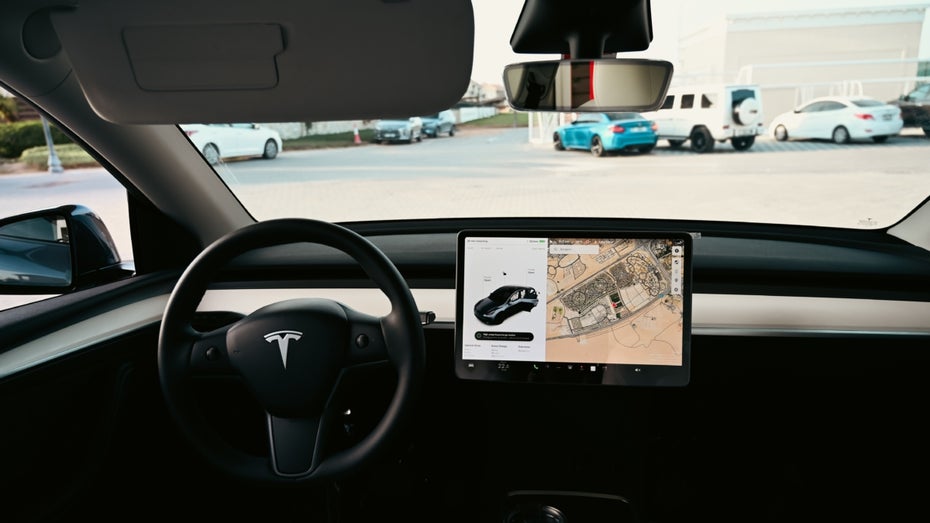
The UN Economic Commission for Europe has adopted uniform rules for autonomous vehicles to promote robotaxis.
On July 13, 2026, the World Forum for Harmonization of Vehicle Regulations of the UN Economic Commission for Europe (UNECE) took a significant step towards the regulation of autonomous vehicles. For the first time, uniform global rules for robotaxis were adopted, aimed at reducing regulatory barriers and accelerating the introduction of autonomous ride services. These new regulations could revolutionize the way people travel in cities.
The new regulations encompass a variety of aspects that are crucial for the operation of robotaxis. These include safety standards, technical requirements, and procedures for vehicle approval. The UNECE has emphasized that the safety of passengers and other road users is the top priority. The regulations are designed to ensure that autonomously driving vehicles can operate reliably and safely under various conditions.
A central element of the new regulations is the creation of a unified framework for the approval of robotaxis in member states. This means that companies wishing to offer autonomous ride services will no longer face different national regulations. Instead, they can rely on a uniform standard that facilitates the market introduction and operation of their vehicles.
Benefits for Industry and Consumers
The introduction of these uniform rules is seen as a significant advantage for the industry. Manufacturers of autonomous vehicles and operators of robotaxis can now plan and invest more efficiently, as they can rely on a stable regulatory framework. This could lead to faster development and introduction of new technologies that make autonomous driving safer and more user-friendly.
For consumers, this means that they may have easier access to robotaxis in the near future. The new regulations could help more companies enter the market and offer innovative mobility solutions. This could not only increase the availability of ride services but also lower prices as competition increases.
The UNECE has also emphasized that the new regulations are flexible enough to accommodate future technological developments. This is particularly important in a field that is changing as rapidly as autonomous driving. The regulations are intended to be regularly reviewed and adjusted to ensure they keep pace with the latest advancements in technology.
International Cooperation and Challenges
The adoption of these uniform rules is the result of intensive international cooperation. Representatives from various countries and organizations have contributed to the development of the regulations to ensure they meet the diverse needs and circumstances of the member states. This cooperation is crucial for promoting a global understanding and a unified approach in the field of autonomous driving.
Despite the progress, challenges remain that need to be addressed. These include issues of liability in the event of accidents, privacy concerns, and the integration of autonomous vehicles into existing transportation systems. The UNECE has announced that it will continue to work on these issues in the future to ensure that the new regulations are comprehensive and future-proof.
The new regulations for robotaxis could represent a turning point in the mobility industry. With the establishment of a unified framework, it is expected that the acceptance of autonomous vehicles in society will increase. The UNECE has already encouraged several member states to implement the new regulations quickly to realize the benefits of autonomous driving for all.
The UNECE has adopted the new rules for autonomously driving cars as part of its efforts to harmonize vehicle regulations to enhance safety and efficiency in road traffic.
Ähnliche Artikel
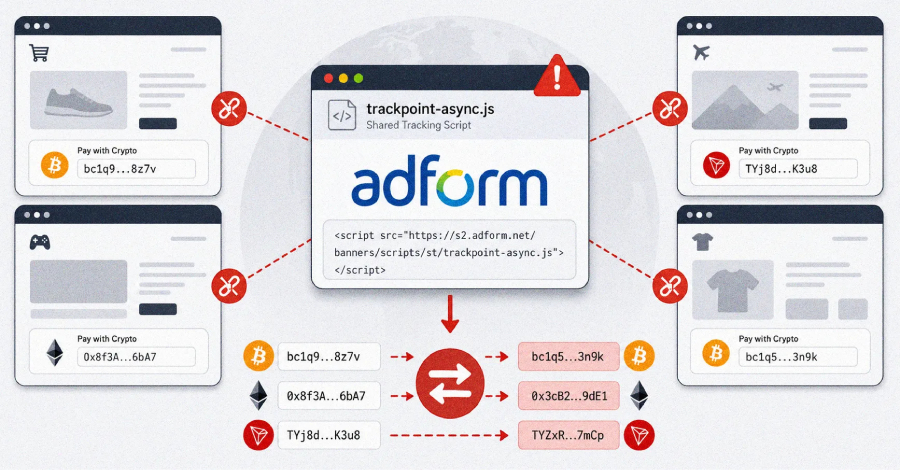
Cyberattack on Adform: Crypto Wallet Addresses Manipulated
A cyberattack on Adform has resulted in the manipulation of crypto wallet addresses on customer websites. Affected parti...

Unlimited 5G in the Telekom network for 34.95 euros
Freenet offers a new heavy user plan with unlimited data volume in the Telekom 5G network for only 34.95 euros per month...
Power struggle at T-Mobile US: Merger with Deutsche Telekom rejected
The US management of T-Mobile US opposes the merger with Deutsche Telekom. Concerns from investors and regulators are in...

Cyberattacks on US Water Utilities Increase
FBI and US Environmental Protection Agency warn of increasing cyberattacks on water utilities in the USA, with suspicion...

comment Kommentare (0)
Noch keine Kommentare. Schreiben Sie den ersten!
Kommentar hinterlassen