


Zoom: Zero-click vulnerability enables code smuggling

IT researchers have discovered zero-click vulnerabilities in Zoom that allow malicious code to be injected into other users.
In an alarming discovery, IT researchers have identified zero-click vulnerabilities in the popular video conferencing software Zoom. These security flaws allow attackers to inject malicious code into the systems of conference participants without any user interaction. The researchers warn that this type of attack is particularly dangerous as it does not require any active steps from the victims.
The zero-click vulnerabilities could enable attackers to execute arbitrary code during an ongoing conference. This could lead to a variety of security issues, including data loss, unauthorized access to personal information, and even device takeover. The discovery of these security vulnerabilities raises serious questions about the security of online communication platforms.
Details on the Security Vulnerabilities
The researchers have found that the zero-click vulnerabilities exist in several versions of the Zoom software. These flaws could be exploited by attackers to install malware or other harmful software without the user noticing. Thus, the attackers could gain unnoticed access to sensitive information exchanged during the conferences.
Another concerning aspect of these security vulnerabilities is the possibility that they could be used in conjunction with other attack techniques. For example, attackers might attempt to exploit the zero-click vulnerabilities to install additional malware or to take control of the user's device. This could lead to a massive security incident, especially in corporate environments where confidential information is exchanged.
Reactions from the Security Community
The discovery of these zero-click vulnerabilities has raised concerns in the security community. Experts are calling for an immediate response from Zoom to address the vulnerabilities and protect users. Many security researchers emphasize the need for companies like Zoom to take proactive measures to safeguard their software against such attacks.
The discussion about the security of video conferencing software has gained importance in recent years, especially since the COVID-19 pandemic, which led to an increase in the use of such platforms. Users are increasingly worried about the security of their data and the integrity of their online communication. The discovery of the zero-click vulnerabilities could significantly undermine trust in Zoom and similar platforms.
Zoom has not yet issued an official statement regarding the discovered security vulnerabilities. However, users are strongly urged to remain vigilant and regularly update their software to minimize potential security risks. The security community will closely monitor developments in this matter.
The researchers have already taken steps to further investigate the zero-click vulnerabilities and develop possible solutions. The results of these investigations could be crucial in determining how quickly and effectively Zoom responds to the discovered security vulnerabilities.
Ähnliche Artikel
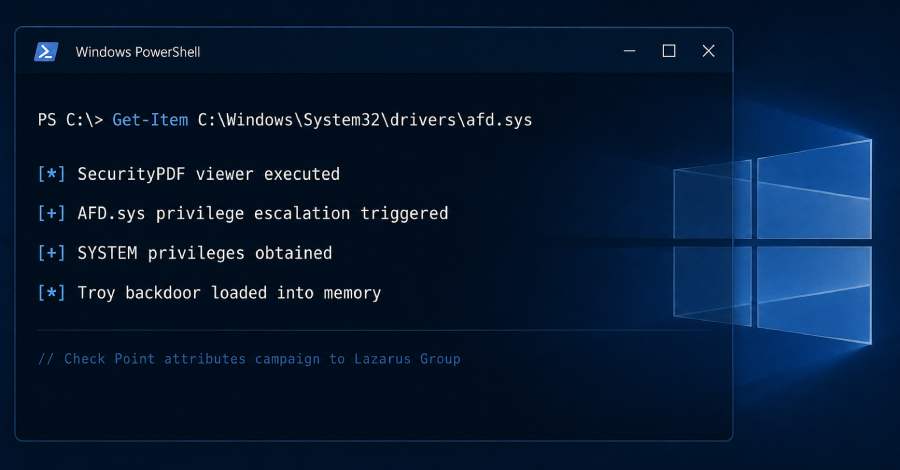
Lazarus Group exploits Windows Zero-Day for cyberattacks
The Lazarus Group has exploited a newly discovered vulnerability in Windows to install a backdoor in companies within th...

OpenAI CEO Sam Altman bets on Germany
Sam Altman, CEO of OpenAI, emphasizes the importance of German data centers for the company's future....

Lawsuit Against Apple Over iCloud Private Relay Error
Apple is facing a class action lawsuit over a bug in iCloud Private Relay. Users are accusing the company of fraud....

New Zero-Day Exploit for Windows Discovered
Security researchers have released another zero-day exploit for Windows that affects Windows Defender....

comment Kommentare (0)
Noch keine Kommentare. Schreiben Sie den ersten!
Kommentar hinterlassen