
Cybercrime: Fake AI Domains in Focus

Cybersecurity researchers warn of 186 fake AI domains that mislead users and spread malware.
Cybersecurity researchers have made alarming discoveries that threaten the safety of internet users. In a recent investigation, 186 fake domains were identified that pose as legitimate artificial intelligence (AI) tools. These domains use a technique known as TypoPrompting to redirect unsuspecting users to fraudulent sites.
The fake domains are designed to resemble the names of well-known AI applications. When users attempt to access these tools, they are instead redirected to pages presenting ClickFix-like bait offers. These bait offers are designed to entice users into clicking harmful links or disclosing their personal information.
Another concerning element of these cyberattacks is the use of browser hijacking malware. This malware can alter users' browser settings, redirecting their search queries. This not only compromises the user experience but can also lead to the loss of sensitive information.
The Dangers of TypoPrompting
The TypoPrompting technique is employed by cybercriminals to increase the likelihood that users will click on the fake domains. By creating domains that are very similar to the real AI tools, they can gain users' trust. This strategy is particularly effective, as many people do not have the time or knowledge to verify the URL accurately.
The researchers from Iceland who investigated this threat warn that the number of fake domains has risen sharply in recent months. The cybercriminals use these domains not only to spread malware but also to monetize through fraudulent advertising and affiliate links. This poses a serious threat to online security.
In addition to the direct dangers posed by these fake domains, there are also long-term effects on users' trust in legitimate AI tools. When users are repeatedly redirected to fraudulent sites, it can lead to a general skepticism towards new technologies. The researchers emphasize the need to raise awareness of these threats and educate users about the risks.
Protective Measures and Recommendations
To protect against these threats, the researchers recommend that users always check the URL of the sites they visit. It is important to ensure that the domain is spelled correctly and that it comes from a trusted source. Additionally, users should ensure that their browsers and security software are always up to date to protect against malware.
The discovery of these fake AI domains is another indication of the growing complexity of cybercrime. The perpetrators are constantly developing new methods to deceive users and steal their data. Research into these threats is crucial for developing effective protective measures and informing the public.
The 186 identified fake domains are part of a larger trend that underscores the need to take cybersecurity seriously. Users should be aware of the risks and take proactive steps to ensure their online safety.
Ähnliche Artikel

France accuses Iran after cyberattacks
France blames Iran for cyberattacks on supermarket cooling systems. The foreign minister announces consequences....

Notion reports security incident at Fireworks AI
Notion has announced a security incident at Fireworks AI that led to the disclosure of chat transcripts....
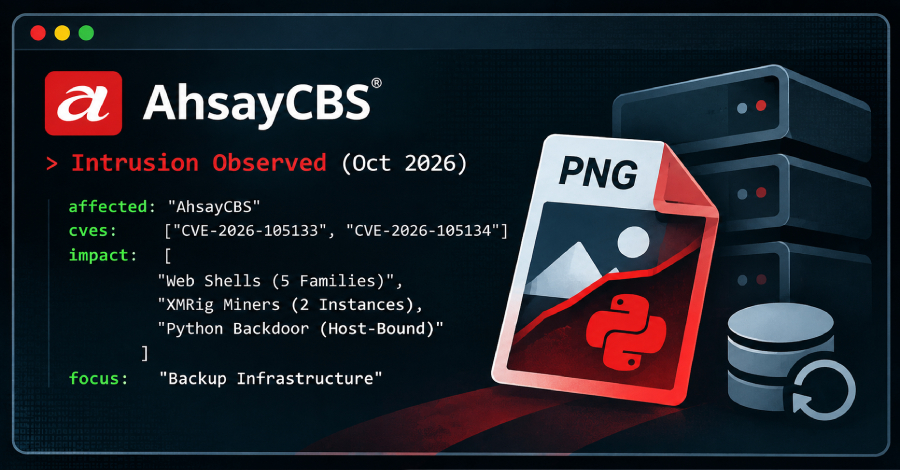
AhsayCBS-Sicherheitslücken für Cyberangriff ausgenutzt
Cyberangreifer nutzen Schwachstellen in AhsayCBS aus, um eine Python-Backdoor zu installieren. Die Schwachstellen wurden...

Binance warns of iOS security vulnerability
A security vulnerability in iOS could jeopardize crypto wallet data....
comment Kommentare (0)
Noch keine Kommentare. Schreiben Sie den ersten!
Kommentar hinterlassen