















EU plans technological sovereignty

The EU Commission aims to break dependence on US providers with a new package and is demanding hundreds of billions of euros.
The European Union has introduced a new package to promote technological sovereignty, aimed at reducing dependence on US technology providers. The EU Commission is requesting hundreds of billions of euros to strengthen its own IT structures and become more independent from external providers. This initiative comes at a time when digital independence is of central importance to many European states.
The plans of the EU Commission include a comprehensive overhaul of the existing IT infrastructure in the member states. The goal is to increase digital resilience while ensuring the security of sensitive data. The Commission sees the necessity to develop and promote its own technologies to reduce dependence on large US technology companies.
Investments in Digital Infrastructure
To achieve the desired technological sovereignty, the EU plans significant investments in digital infrastructure. These investments are intended not only to support the development of new technologies but also to modernize existing systems. The EU Commission has already published initial estimates indicating a need of several hundred billion euros.
A central component of the package is the promotion of research and development in the field of information technology. The EU wants to ensure that European companies and research institutions receive the necessary resources to develop innovative solutions. This could also lead to the creation of new jobs in the technology sector.
The EU Commission emphasizes that digital sovereignty has not only an economic but also a security policy dimension. Dependence on foreign providers could lead to significant problems in times of crisis. Therefore, strengthening its own IT structures is seen as a matter of national security.
Reactions from the Industry
The reactions to the plans of the EU Commission are mixed. While some companies welcome the initiative and acknowledge the need for a stronger European technology infrastructure, others express concerns about funding and implementation. Critics warn that excessive regulation and state control could impair the industry's innovative capacity.
Some industry representatives call for close collaboration between the EU and the industry to ensure that investments are used effectively. They emphasize that the EU should not only invest in infrastructure but also in the training and qualification of skilled workers to secure Europe's competitiveness in the global technology market.
The EU Commission plans to further specify the proposals in the coming months and present them to the member states for voting. The implementation of the package could have far-reaching effects on the European technology sector and change the competitive conditions in the international market.
The initiative for technological sovereignty is part of a broader plan by the EU to advance digital transformation in Europe. The Commission has already taken several measures to promote the digital economy and reduce the digital divide between member states. The coming months will be crucial to see how the EU can implement these ambitious plans.
Ähnliche Artikel
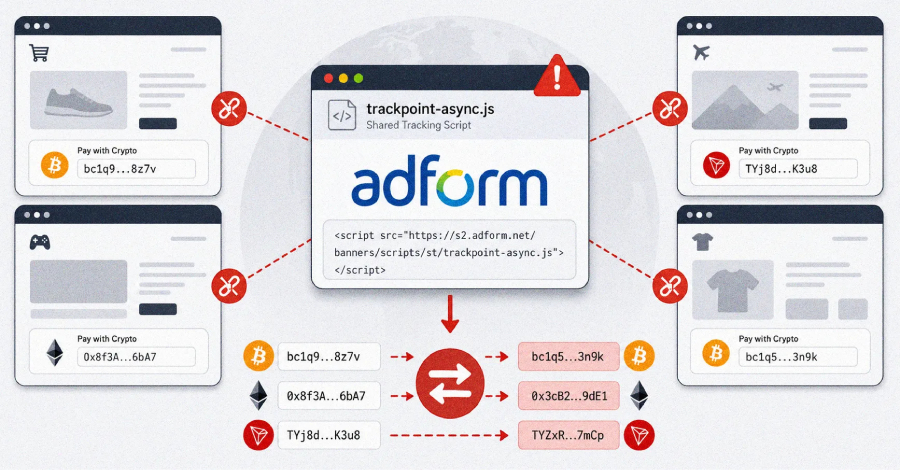
Cyberattack on Adform: Crypto Wallet Addresses Manipulated
A cyberattack on Adform has resulted in the manipulation of crypto wallet addresses on customer websites. Affected parti...

Unlimited 5G in the Telekom network for 34.95 euros
Freenet offers a new heavy user plan with unlimited data volume in the Telekom 5G network for only 34.95 euros per month...

Power struggle at T-Mobile US: Merger with Deutsche Telekom rejected
The US management of T-Mobile US opposes the merger with Deutsche Telekom. Concerns from investors and regulators are in...

Cyberattacks on US Water Utilities Increase
FBI and US Environmental Protection Agency warn of increasing cyberattacks on water utilities in the USA, with suspicion...

comment Kommentare (0)
Noch keine Kommentare. Schreiben Sie den ersten!
Kommentar hinterlassen