
Security architectures lag behind AI developments
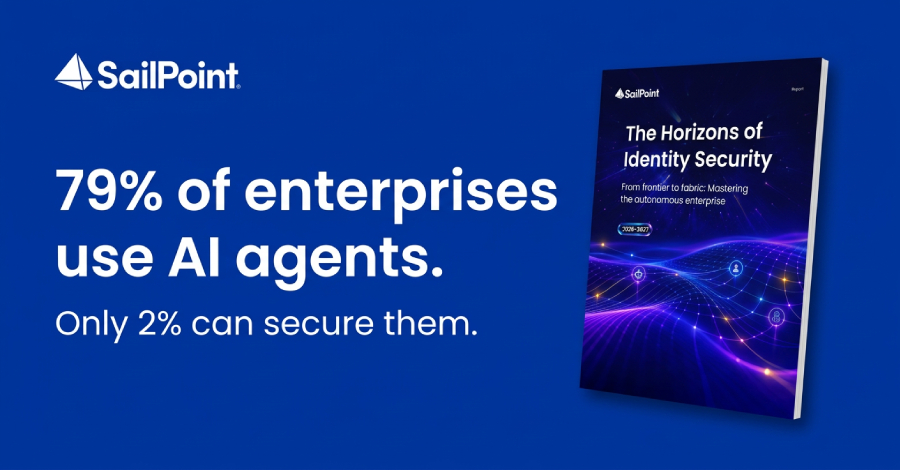
A new report shows that companies rely on outdated security architectures when implementing AI.
A current report from SailPoint titled "Horizons of Identity Security" highlights the challenges companies face when deploying autonomous AI agents to accelerate their business processes. The report describes a phenomenon known as the "Velocity Paradox." This paradox arises because organizations invest in technologies designed for the speed of AI while simultaneously relying on security controls that were designed for a different era.
The study shows that while many companies recognize and want to leverage the benefits of AI, they often lack the necessary security measures to effectively protect these technologies. The discrepancy between the speed at which AI systems are implemented and the speed at which security protocols are updated leads to an increased risk of data breaches and cyberattacks. This is particularly concerning as the number of cyberattacks has significantly increased in recent years.
Outdated Security Architectures
The security architectures that many companies rely on are often unable to meet the demands of modern AI applications. These systems were originally designed for manual processes and are therefore not equipped to handle the speed and complexity of autonomous AI agents. The report highlights that companies relying on these outdated security solutions are more vulnerable to security incidents.
A central issue is the dependence on human security controls that cannot keep pace with the speed of AI development. While AI systems can make real-time decisions and optimize processes, most security measures require time for implementation and adjustment. This gap between technology and security can lead to serious consequences if companies do not act proactively.
The Need for New Security Strategies
To minimize the risks associated with the use of AI, companies must rethink their security strategies. The report from SailPoint urges organizations to develop innovative approaches to identity security that can keep pace with the speed of AI development. This includes implementing automated security solutions capable of detecting and responding to threats in real time.
Another important aspect is training employees to handle new technologies and security protocols. Raising awareness of security risks and training in the use of AI systems are crucial to improving a company's security posture. Companies must ensure that their employees have the necessary knowledge to recognize potential threats and respond appropriately.
The challenges arising from the Velocity Paradox are not only technical in nature. They also pertain to corporate culture and the willingness to adapt to new realities. Companies that can foster a security culture that aligns innovation and security will be better positioned to leverage the benefits of AI without compromising safety.
The report from SailPoint underscores that the gap between the speed of AI development and existing security architectures poses a serious problem. Companies must urgently take action to modernize their security strategies and adapt to the demands of new technologies.
Ähnliche Artikel
Binance warns of iOS security vulnerability
A security vulnerability in iOS could jeopardize crypto wallet data....

Blind Eagle uses fake court documents for cyber attacks
The threat actors of Blind Eagle have launched a new campaign targeting organizations in Latin America using fake court ...

Railway hack causes $740,000 fraud damage
A security incident at Railway led to $740,000 in fraudulent AI usage fees after hackers exploited vulnerabilities....

Apple fixes iMessage security vulnerabilities
Apple has released security updates to fix iMessage bugs that could compromise the privacy of group chats....
comment Kommentare (0)
Noch keine Kommentare. Schreiben Sie den ersten!
Kommentar hinterlassen