
Artemis 2: GPS Interference Caused by NASA Rocket
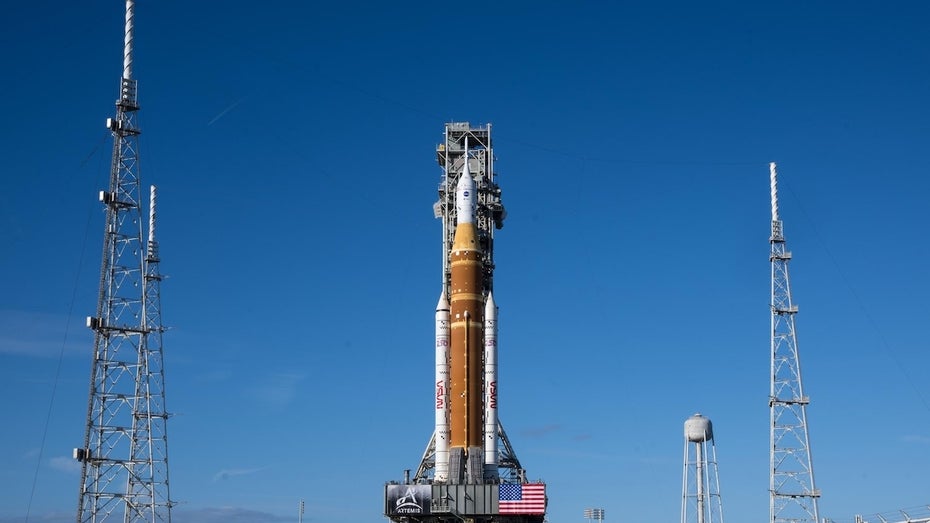
The Artemis 2 mission has caused unexpected GPS interference that could endanger self-driving cars.
The NASA Artemis 2 mission, which is part of the Artemis program for the return of humans to the Moon, has surprising effects on the Earth's surface. A new study shows that the SLS rocket during launch has altered the concentration of electrons in the ionosphere. These changes have led to disruptions in GPS signals, which are critical for many modern technologies.
The ionosphere is a layer of the Earth's atmosphere that extends from altitudes of about 30 to 1,000 kilometers. It plays a crucial role in the transmission of radio waves, including the signals sent by GPS satellites. The changes in electron concentration caused by the SLS rocket could impair the accuracy of these signals, potentially leading to dangerous consequences.
Consequences for Autonomous Cars
One of the most concerning consequences of these GPS disruptions affects autonomous cars. These vehicles rely heavily on precise GPS data to accurately determine their position and navigate safely. If GPS signals are disrupted, this could lead to malfunctions or even accidents, as the vehicles may not be able to correctly perceive their surroundings.
The study that examined these relationships warns that such disruptions could occur not only during the launch of Artemis 2 but also in future missions that use similar technologies. The researchers emphasize the need to better understand these effects and take appropriate measures to ensure road safety.
Technological Challenges
The challenges posed by GPS signal disruptions also raise questions about the robustness of existing navigation systems. The reliance on GPS in various fields, from aviation to maritime, makes it necessary to develop alternative solutions that are less susceptible to such disruptions. Research in this area could help enhance the safety and reliability of navigation systems.
In addition to the impacts on autonomous cars, other technologies that rely on GPS could also be affected. This includes drones used for deliveries and surveillance, as well as agricultural machinery that requires precise GPS data for field operations. The potential economic impacts of these disruptions are significant.
The NASA has already responded to the findings of the study and plans to conduct further investigations to understand the exact mechanisms behind the GPS disruptions. The agency has emphasized that the safety of technologies reliant on GPS is a top priority and that it will work closely with other organizations to find solutions.
The insights from the Artemis 2 mission could also have implications for future space projects. NASA and other space organizations may need to develop new strategies to minimize the effects of rocket launches on the ionosphere and related technologies. This could involve the development of new launch systems or the improvement of existing technologies.
The study on the effects of Artemis 2 on the ionosphere and GPS signals has been published in a renowned scientific journal and has already attracted international attention. Experts from various disciplines, including aerospace engineering, meteorology, and traffic safety, have engaged with the findings and are discussing the possible implications for the future.
Ähnliche Artikel
Google releases security updates for Android
A critical Android vulnerability allows remote code execution without user interaction. Google has released security upd...

DNS hijacking discovered by China-aligned hackers
A new threat from SlippyNunchucks targets Sogou Input Method to implement DarkVigil....

Vercel introduces protection against stolen session cookies
Vercel has introduced Device Bound Session Credentials to protect users from malware attacks....

Critical Security Vulnerability Discovered in Ruby on Rails
A serious security flaw in Ruby on Rails allows attackers to write arbitrary files on servers....
comment Kommentare (0)
Noch keine Kommentare. Schreiben Sie den ersten!
Kommentar hinterlassen